Your bag is empty.
A diverse new group of designers is conquering the lingerie market
There’s never been a better time to shop for sexy underwear.
When the pandemic shifted retail shopping from brick-and-mortar stores to mobile-first, sales at retail giants such as Victoria’s Secret took a hit. But the Covid-19 retail market was actually a boon for small- to medium-size lingerie businesses.
“The lingerie industry did relatively well because people wanted comfortable and luxurious loungewear,” says Ade Hassan, founder of lingerie company Nubian Skin. “Ultimately, we ended up selling more in 2020 than in 2019.”
Millennial and Gen Z shoppers show a propensity for using their wallets to express their values. Many women in these demographics want to buy underwear from feminist businesses that reflect their values and tastes, rather than those that market lingerie as a way to attract men. Both socially and economically, the lingerie industry is ready for a fresh approach.
Here are five standout lingerie companies, all led by women, that provide tantalizing new options for shoppers seeking something sexy.
Voight by Valentina, which has been around for only a year and a half, is named after its founder—a 23-year-old Colombian immigrant based in Miami. Valentina Voight dropped out of college nearly two years ago and started modeling, but she says “Lingerie was always the end goal.”
After building a devoted following on Twitter and Instagram by posting self-styled shoots in jewelry and bikinis (many of which she made herself), Voight released a sample collection in September 2020—about 180 lace undergarments—and sold out in less than five minutes. Insta-worthy packaging, such as vintage Barbie-style boxes and luxurious cloth bags, also helped her seal the deal. “The lingerie designers I look up to are super expensive,” she says. “I wanted to do that quality but make it more affordable.”
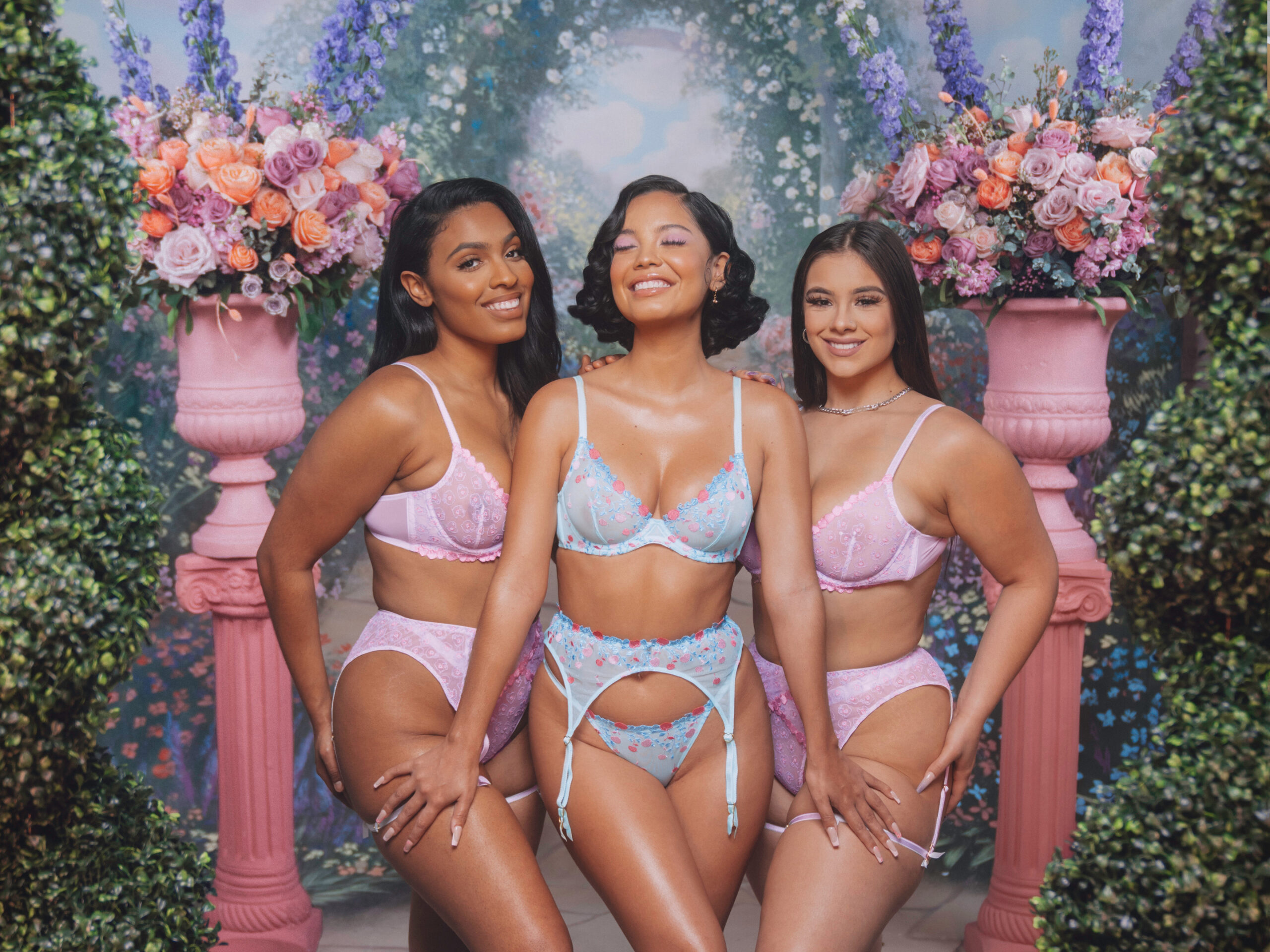
Now Voight, who has modeled for lingerie brands like Marie Mur and Fleur du Mal, supervises a team of four. She’s working with a factory in Los Angeles, among other suppliers, to keep up with inventory demand in 2021.
Next she aims to expand beyond XXL to include more plus-size options. And in an unusual twist, Voight also plans to offer gaming accessories, including hardware in a range of colors, for computer geeks like herself. It’s yet another industry that markets mainly to men, despite its large female consumer base. “People think lingerie and gaming are completely different audiences,” Voight says. “But…there are so many girls who are like, ‘I feel you. We don’t have options.”
Brooklyn-based Creepyyeha founder Yeha Leung also grew her business through social media. Eight years in, the company continues to grow—even during the pandemic. Although Leung says she isn’t sure how many orders she processed in 2020, she notes it was a good year for sales. Demand has now outpaced her two-person team’s capacity. “Everything I’ve made is custom, made-to-order by me and my partner,” Leung says. “We don’t have a factory, although I’m looking.”
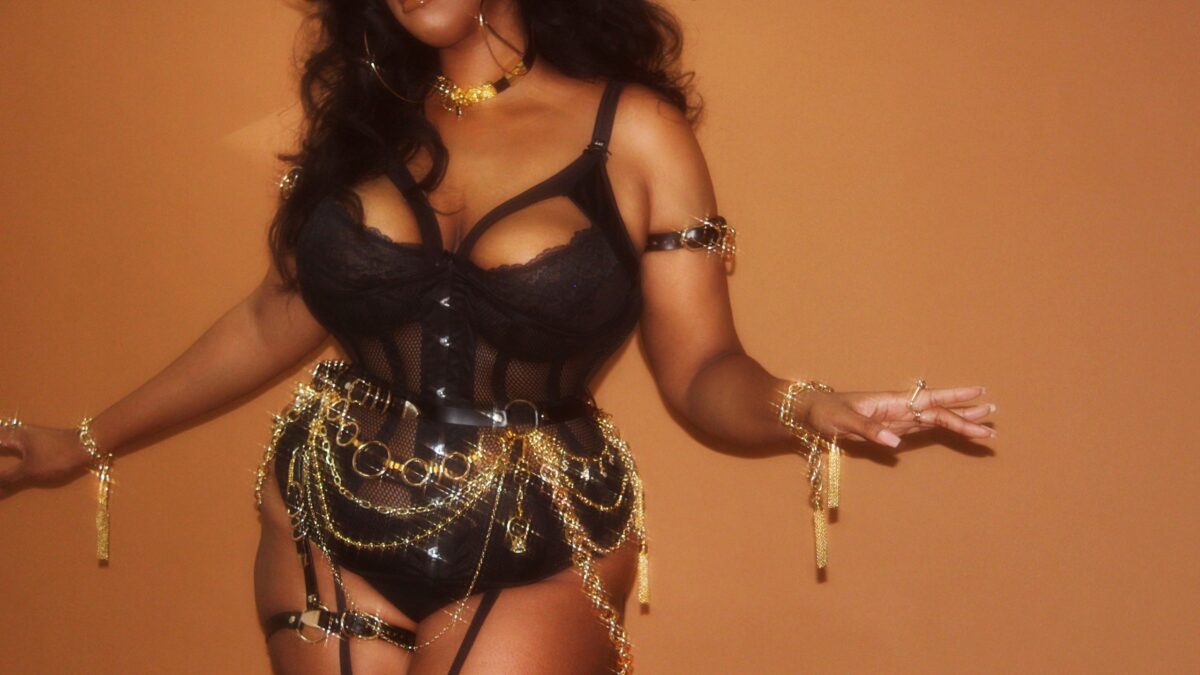
Leung, 29, started posting her student creations on Tumblr while studying fashion at the Art Institute of New York. When she migrated to Instagram and Twitter, celebrity stylists reached out to her. Her kink-inspired creations have been worn by Solange, Cardi B, Rihanna, Megan Thee Stallion and Lizzo.
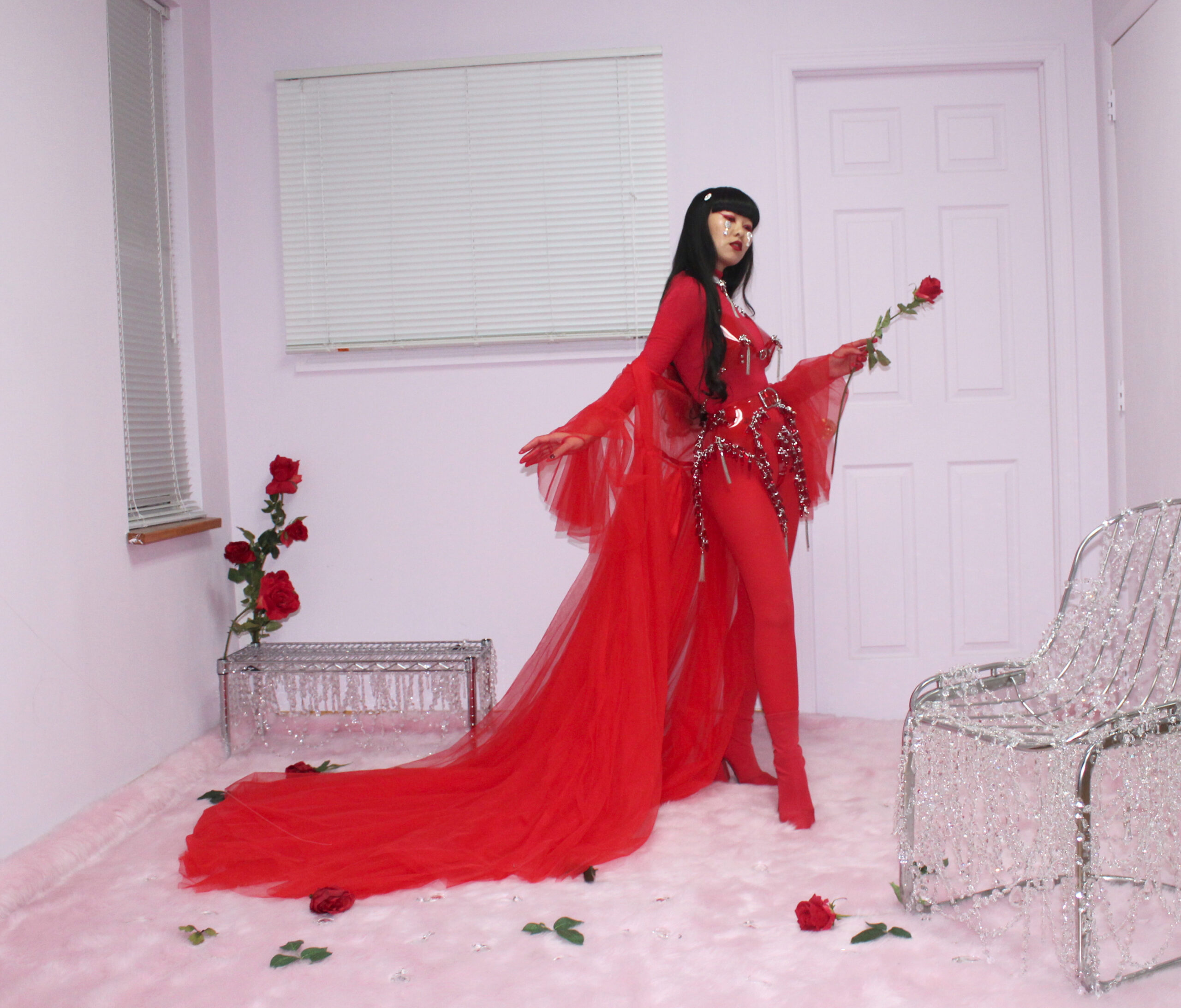
“A lot of my inspiration comes from fetishwear and bondage, but I don’t categorize it as that. It’s not only for the bedroom. These pieces are for whatever people want them to be, however they style them,” Leung says, noting she’s more likely to work with materials such as leather, crystals, chains and faux pearls than the typical silk and lace. “There are more girls getting into OnlyFans and cam sites, so they are looking for clothes [for that].”
Every Creepyyeha order is still processed out of a small office space Leung shares with her mother’s employer. Leung says her goal for 2021 is to get her own showroom for private fittings and pop-up shops. Eventually, she aims to offer more ready-to-wear accessories, such as belts and handbags, while curating an array of indie lingerie brands in her own shop.
“We don’t want to mass produce. My brand is all about catering to the customer,” Leung says. “The body varies even within small or medium or large, so I like making sizes that are customized.” Some customers provide their exact measurements online when they order. If the customer is in New York, Leung usually asks to schedule a face-to-face fitting.
“Running an online business helps cut out the middlemen,” she says. “I’m able to keep it as intimate and authentic as possible.”
When London-based Carmen Liu launched her lingerie brand in 2019, she became one of the first fashion designers making luxurious underwear specifically for transgender and nonbinary bodies. Her first collection sold out within days. Now the ballerina-turned-designer works with a factory in Latvia to sell thousands of pieces a year.
“I’m more than tripling the products available in the women’s collections this year,” Liu says. “I’ll also have two new collections launched by summer, including new products that have never existed in the market before, [that provide] a new way of tucking.”
Liu, 29, approaches lingerie from an engineering perspective. Her unique designs combine three types of fabric to hold the genitals toward the body without a strap, which, until now, was the typical workaround for people with penises who want to wear panties. “A lot of our customers cry [with relief] when they wear it for the first time,” Liu says.
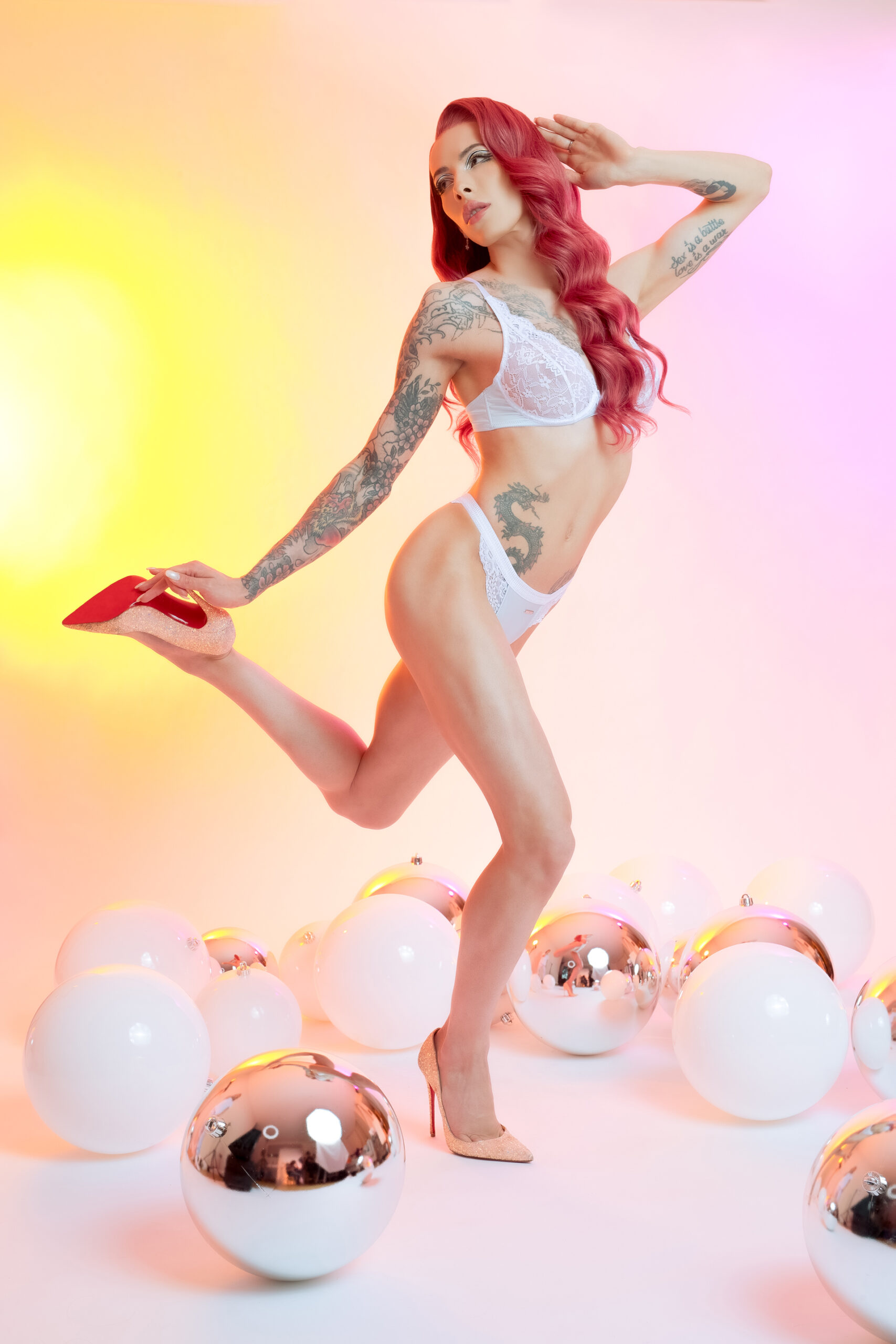
Her bras are also designed specifically for broader chests that may need longer straps, cups set wider apart and altered cup sizes. In addition to the boutique’s website, where Liu handles most of the shipping, her products are also sold at nine retailers, including Rigazo in France and the Trans Tool Shed in the United States.
Unlike many other lingerie companies, the pandemic hit Liu’s business pretty hard. Travel limitations stalled the company’s growth plans, and demand now outpaces the supply their manufacturing partner can produce. Despite the consumer demand, it’s still difficult for Liu to find factories willing to serve her demographic. More than a dozen turned her away, so Liu’s four-person team hunkered down and put in overtime throughout 2020.
“There’s still a big lack of knowledge about why people in my community can’t just buy underwear in Macy’s or Target,” she says. “The people who wear our products haven’t had surgery and require products that hold everything in. There are customers who tell me, ‘You literally saved my life; I was going to kill myself.’ Helping them keeps me going.”
Although some lingerie companies are relatively new to the scene, Emily Bendell’s British boutique, Bluebella, has been around since 2005.
Bluebella designs are sexy yet comfortable, identifiable by strong design details such as bold straps around the neck or torso and sets that can be styled as part of outerwear. Her bras and bodysuits, for example, pair well with jackets and high-waisted pants or skirts. Bendell, 40, says she actively avoids the mainstream advertising formulas that market lingerie as something women buy to please their partner.
“If the garments closest to our skin are purchased for the benefit of someone else, what does that say about our bodies?” Bendell says. “The industry had a binary divide: Here’s your sexy stuff you dress up in for someone else and here is your functional stuff.”
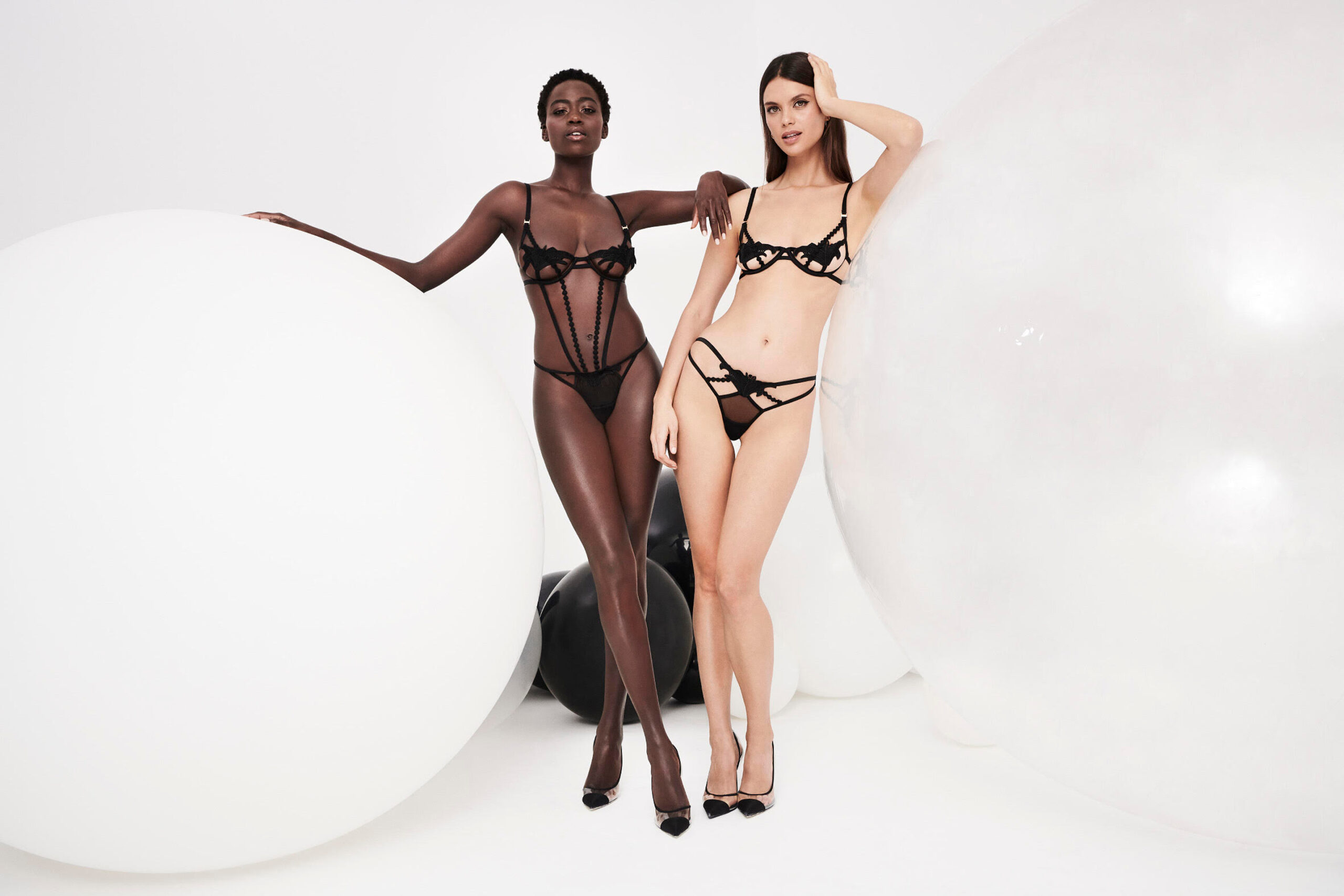
When she started the company, Bendell struggled to raise money because the angel-investing scene was dominated by men who didn’t understand the lucrative demand for her products. Bendell’s determination, however, led her to the London-based female investor club Addidi Business Angels. Now her company employs 30 people and, in 2020, The Sunday Times listed Bluebella as one of the fastest-growing private British companies across all sectors.
“We’ve seen more buyers going for the real ‘wow’ pieces. When you’re in your pajamas all day, you can turn to lingerie for a real pick-me-up,” Bendell says, describing how the pandemic impacted the retail market. “We also sell nightwear and satin loungewear, which has had a huge surge [in 2020]. So that’s something we’ve expanded on.”
Also in London, Ade Hassan runs Nubian Skin, one of the leading underwear boutiques for Black men and women. Hassan, 36, is a self-taught designer who used to work in private equity. In 2013, she put her finance industry acumen to the test when she opened Nubian Skin with no outside backing.
“It’s a sad reality that women-owned businesses don’t get a lot of funding, especially minority businesses,” Hassan says. “It’s important to remember a lot of innovative ideas and things people really need are started by small businesses. Small businesses are the backbone of innovation.”
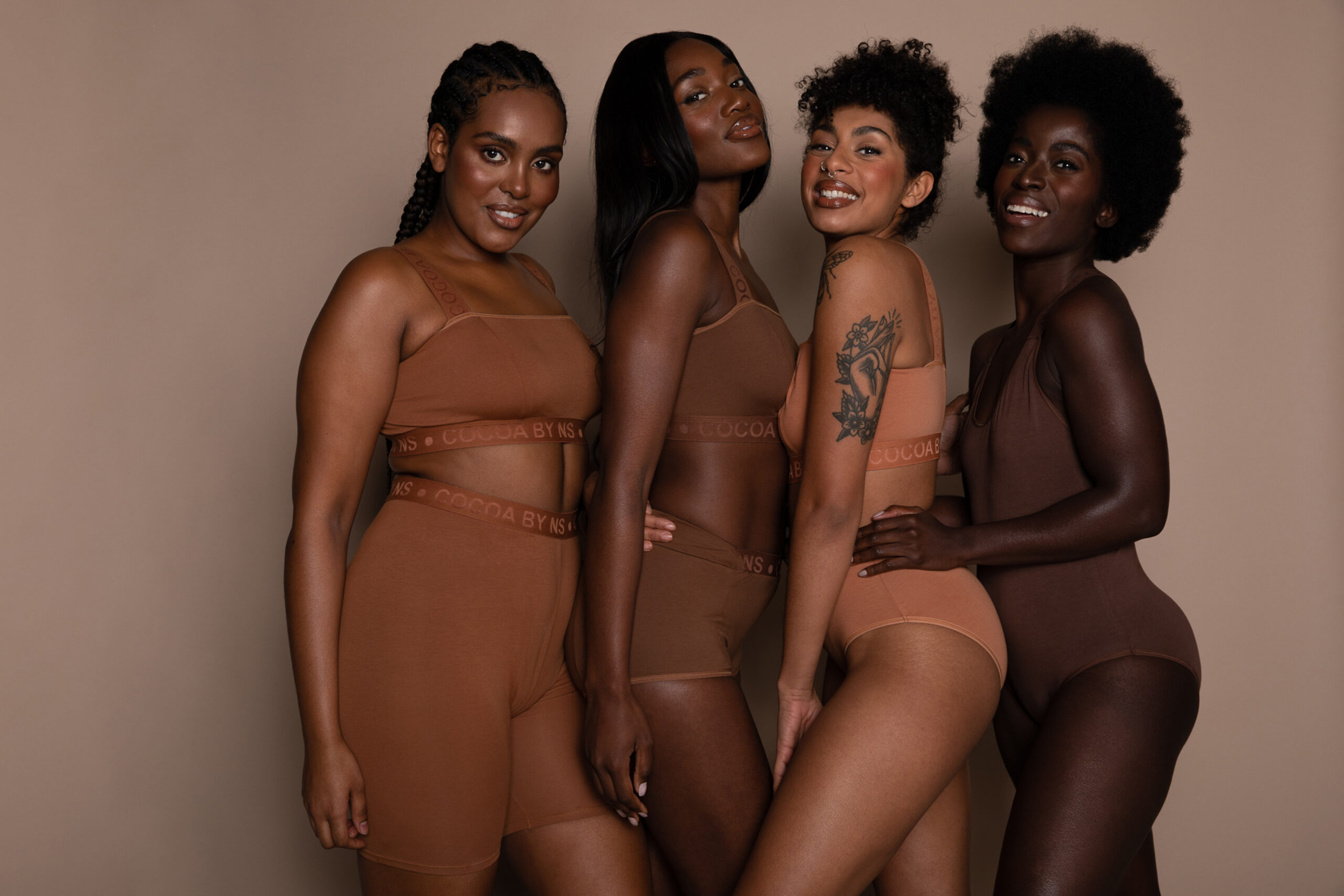
In Hassan’s case, her five-person company addressed demand for undergarments that matched a wider range of “nude” skin tones than most mainstream brands. Nubian Skin keeps their offerings, from hosiery to sumptuous satin slips, at an affordable price point, although shipping can be slightly more expensive and slower than ordering from a conglomerate like Amazon. On the flip side, Hassan says smaller companies like hers generally pay their workers, including manufacturers, higher wages.
Hassan’s boutique shifted to online-only in 2019, a lucky coincidence before the lockdowns that followed. In 2020, the brand focused on engaging with customers via Instagram Live, and Hassan says international sales—to North American customers in particular—increased 111% in 2020 compared to 2019. This year, in addition to expanding the brand’s offerings for men, Hassan plans to slowly provide stock for select retailers again.
“You don’t need to have millions to start something,” Hassan says. “You can start small and build something slowly in a sustainable way.”