Your bag is empty.

A candid conversation with the maestro of Motown about building an empire against all odds, clashing with Michael Jackson’s father—and why he left all of it behind
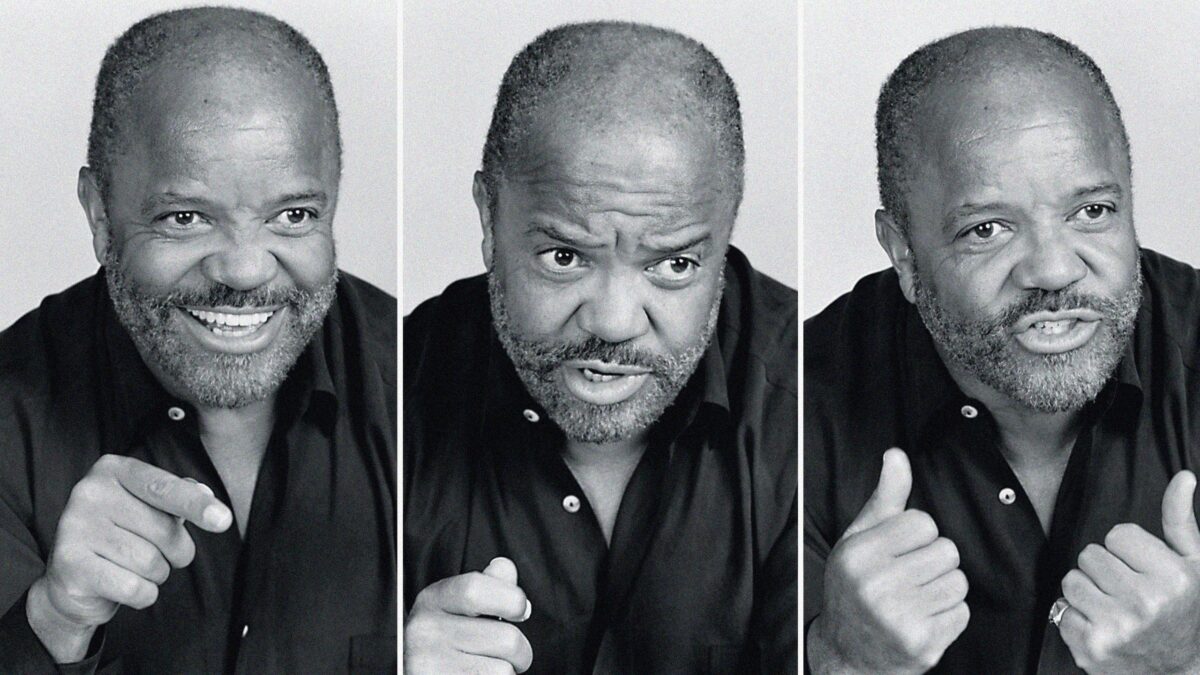
On the jacket of Berry Gordy Jr.’s autobiography, To Be Loved, are testimonials by some of the people who have been affected by him: Smokey Robinson, Dick Clark, David Geffen, Lee Iacocca, Barry Diller, Mike Ovitz, Sidney Poitier and Diana Ross. But Gordy’s influence was not felt only by his peers in the entertainment and business worlds. There is hardly an adult anywhere in the world who doesn’t recognize at least some of the music that came from Gordy’s Motown Studios. As Clark says, “Berry’s music, that Motown magic, provides the soundtrack of our lives.”
A list of the artists who created that soundtrack reminds everyone what a potent musical force Motown was: the Four Tops, Marvin Gaye, the Jackson 5, the Marvelettes, Martha and the Vandellas, Lionel Richie, Smokey Robinson & the Miracles, the Supremes, the Temptations, Mary Wells, Stevie Wonder. For five weeks in 1968 and 1969 Motown artists held the top three spots on the Billboard Hot 100 chart. It would be an amazing achievement for any record company. But for Motown—whose acts were primarily African American and whose music captured America’s urban essence—such success made history.
Motown was Berry Gordy, the enigmatic, tenacious, revered and occasionally reviled mogul who launched the record company in his hometown of Detroit. Gordy also wrote many of the company’s hits on his own or in collaboration with other Motown writers, discovered and nurtured the Motown acts, produced and arranged the records and was integral in the creation of the world-famous Motown sound. In addition, he acted as the stars’ manager, agent and, often, surrogate father. He also oversaw Motown’s marketing, manufacturing, sales, public relations, distribution, finances and whatever else came along.
Gordy founded Motown and his other record label, Tamla, in the late 1950s. The first record he released was one of his songs, “Come to Me,” recorded by Marv Johnson. The $800 it cost came from a loan Gordy took from his family. Other records followed, the company grew and by the mid-’60s Motown was the hottest label in the world. The Beatles and Rolling Stones, among others, covered Motown songs, and the original versions sold millions of copies.
Motown enjoyed show business breakthroughs—the Supremes at the Copacabana, the Jackson 5 on the Ed Sullivan Show, Marvin Gaye’s unforgettable performance of “The Star-Spangled Banner” at the 1983 NBA All-Star Game—as well as some less pleasant moments. The Motortown Revue was traveling through the South when the bus that carried the performers was fired upon. At the same time, critics accused Gordy of selling out by making music that crossed over to whites. There were business setbacks too. Most notably, Motown was crippled by the defection of some of its key acts, including the Jackson 5 and in particular, Michael, who went solo and made the biggest-selling album in the history of the record business—for Epic Records, not Motown.
In the early 1970s Gordy moved his thriving company to Hollywood and into the movie business. Though the Motown film division never took off, there were a couple of artistic and commercial successes: Lady Sings the Blues, starring Diana Ross as Billie Holiday, and Mahogany, starring Ross and directed by Gordy. But Gordy was distracted by moviemaking, and changes were sweeping the record business. Distribution was being consolidated and costs were skyrocketing. Gordy got into financial trouble, particularly when other Motown acts—including Diana Ross and Marvin Gaye—deserted the company.
As his economic woes mounted, Gordy almost sold Motown in 1986 and two years later accepted a $61 million offer from MCA. Though Gordy was criticized for selling—Jesse Jackson, for one, felt he was letting down the black community—he claims he had no choice. Gordy retained his music publishing company, Jobete, which earns an estimated $20 million a year.
Money like that was unthinkable when Gordy was a child in Detroit. His parents were enterprising and hardworking, starting a number of businesses, including a grocery store, a plastering business, insurance sales and a Christmas tree lot. But making ends meet was hard, and at one point his father was forced to go on welfare.
Young Gordy planned to follow in the footsteps of his heroes, boxers Joe Louis and Sugar Ray Robinson. Gordy was a promising featherweight, but he also enjoyed writing songs—despite the fact that novice composers have trouble paying the bills. He opened a record store and worked on an assembly line at a Lincoln-Mercury plant until he decided, at last, to devote himself to song-writing full-time. When he wanted more control over the production of his songs and realized he could make more money if he weren’t paying so many middlemen, he decided to start his own record company. Motown was built in large part on Gordy’s songs (including classics such as “You’ve Made Me So Very Happy” and “Money [That’s What I Want]”), which were recorded by almost every one of the company’s artists.
Motown and Gordy had more than their share of detractors. Throughout the years, the company was haunted by allegations that Gordy had cheated and manipulated his artists and that he was backed by the Mafia. He was married and divorced three times, has eight children, lived for a number of years with Playboy Playmate Lee Ann Michelle and had a long romance with Diana Ross. One of his ex-wives, Raynoma, wrote a book in which she accused him of cutting her out of Motown’s success. There were also lawsuits by former colleagues, including songwriters and performers.
Though these charges accumulated, Gordy refused to comment—he was too busy building Motown to be distracted. He did not break his silence until he published To Be Loved: The Music, the Magic, the Memories of Motown, an entertaining memoir that made best-seller lists around the country. Because Gordy was now talking openly, we sent Contributing Editor David Sheff to speak with the 65-year-old at his Bel Air mansion. Here’s Sheff’s report:
“This was the first interview I have conducted with an audience. A cameraman filmed the entire event (‘Mr. Gordy records everything for the archives,’ I was told) while one, and occasionally two, secretaries sat in and took shorthand notes.
“Gordy entered the first session at about 10 in the morning wearing beige cashmere and soft moccasins. He squinted because of the intense lights set up for the filming and insisted that they be shut off (‘it’s much too early for that,’ he said). When the lights were doused, he stretched, shook out his hands and rotated his head—warm-ups left over from his days as a boxer.
“He spoke casually and confidently, clearly enjoying the opportunity to talk. When he reminisced, he often closed his eyes and sermonized in a preacher-like voice. Occasionally he would ask one of his assistants to find a recording of a song he was talking about—an old blues record or a recording by Smokey Robinson. Gordy became lost in the music, but there were a few times—when he played a recording of the Temps singing a new version of the Contours’ hit ‘Do You Love Me’ for example—when I was the one who had to be reminded that it was time to get back to work.”
PLAYBOY: After refusing to address the rumors about you and Motown for so many years, why did you finally decide to tell your story?
GORDY: I wish Martin Luther King had written his own book, or JFK. I would have loved to hear their stories in their own words. Beyond that, though I don’t like being public, I felt I had to set the record straight. As Motown was growing. I wanted to refute the misinformation, rumors and gossip, but I chose not to. I had to live by the advice I gave to the artists on the label: Don’t be distracted from your goals. I told the artists never to answer rumors, and I had to practice what I preached. But I was torn. I particularly wanted kids to understand that no company as beautiful as Motown could have been built in the devious ways that were rumored.
PLAYBOY: Let’s tackle the rumors. Did you make deals with the Mafia?
GORDY: No. That rumor grew from an article that appeared in a small neighborhood news sheet. It said, based on nothing, that Motown was being taken over by the Mafia. When it came out, we laughed at it. But the item was picked up by larger papers. It may have been perpetuated by the fact that Barney Ales, an Italian, was running our powerful sales department.
PLAYBOY: You were sued by artists and former employees who claimed you cheated them.
GORDY: You don’t stay in business for 35 years by not paying people, and most of the people who worked for me over the years know what I stood for: fairness, honesty and integrity. Yet the stories, once they started, fed on themselves.
PLAYBOY: Some of the bad feelings seemed to come from the way you controlled your artists’ lives.
GORDY: Maybe so. I did try to control almost everything. It was my ball game—my vision, my dream. Many of those artists became superstars, but when they first came to me they were just kids off the street who needed direction. Even some of the lesser Motown artists are still performing, making records, appearing on television, making money. What people don’t know is that we carried many artists for years before they ever got a hit. Some never did. The artists received whatever they were due, and a whole lot more—care, personal attention, grooming, advice, direction.
PLAYBOY: But that’s the point of the criticism: You were paternalistic. You were able to exploit these artists because they relied on you for everything.
GORDY: To exploit is not necessarily bad. To make use of someone’s talent in a positive way benefits everyone. It was that “exploitation” that made many of them little stars, big stars and superstars. I wouldn’t let anything go out that I didn’t think was right. I knew that every Motown artist represented Motown and was a reflection of Motown. Also, I worked with other aspects of their lives, because raw talent wasn’t enough. It had to be nurtured and developed. We had a charm school, chaperones. We made sure the artists paid their taxes.
PLAYBOY: Was that in exchange for one-sided contracts?
GORDY: That’s a bunch of bull. We used contracts that were standard in the business, but here’s what happens: Usually, when you sign an artist who’s a nobody, whatever contract you give them is more than great. Six months later when they have a hit, the contract isn’t good enough, at least according to the lawyers and managers who want to take over their careers. Everyone has heard that Elvis Presley paid 50 percent of everything to Colonel Parker. That was a lot, but it may have been worth it to Elvis. Elvis became a multimillionaire because of Parker, so maybe he made a reasonable deal.
PLAYBOY: But, by that example, Parker may have exploited a naive kid desperate to make a record.
GORDY: Maybe so, but wouldn’t you have signed that contract if you had been Elvis and had a chance to become a star?
PLAYBOY: Does that make it fair?
GORDY: I’m not saying it makes it fair. But if I had been Elvis, I would have signed. I heard that Joe Dewey and Mike Intel refused to sign with Colonel Parker.
PLAYBOY: We’ve never heard of them.
GORDY: That’s the point.
I learned ages ago that money cannot make you happy. And I realized that unless you have money, you can’t make that statement.
PLAYBOY: Do you acknowledge that the Colonel, and certainly Motown, was in a position to take advantage of young, inexperienced performers?
GORDY: Absolutely, but so was every other company. Listen, the real contract between the artists and our company was that we would invest our money, creative forces and marketing skills on the gamble that the artist had a talent that would prove to be commercial when fully developed and properly exploited. If we were wrong, we would eat the investment and the artist owed us nothing. If we were right, we would recover our investment and make a profit. The artist would get paid the royalty contracted for, become a professional performer and, we hoped, a star. If that happened they would certainly get a higher royalty rate when their present contract ran out, or, if they were hot enough, we would resign them before it ran out. That’s the way I did business, and yes, it was fair. But the funny thing is that money has never been the big motivation for me. Throughout my years in this business, I have seen that money may not be the root of all evil, but it’s certainly the root of lots of it.
PLAYBOY: This from the man who wrote, “The best things in life are free, but you can give them to the birds and the bees. I need money, that’s what I want.”
GORDY: [Laughs] Yeah, but I learned ages ago that money cannot make you happy. And I also realized that unless you have money, you can’t make that statement. Yes, everybody wants money, and I view that as part of the game. The winners of the game make more money and they live better. But in the end, the things that sustain you, that make you proud, you can’t buy with money.
PLAYBOY: Have you ever felt guilty about all the money you’ve made?
GORDY: Never. Smokey Robinson had been with me five or six years when he came to see me and said, “I think I’m going to die.” I asked him what was wrong. He said, “I’m so scared because I’m so happy. I just know something’s going to happen.” I said, “You’re talented, you have worked hard and you’ve earned it. You deserve what you have and you shouldn’t feel guilty about it.” I learned this from my father. He had to go on welfare for a while—and he hated it—but he never felt guilty about taking money from the government because he had always worked and supported the government when he was able to. It’s the same with success: Nobody gives it to you. You have to earn it.
PLAYBOY: You write a great deal about your father in your book. Was he your biggest influence?
GORDY: I have admired a lot of people: Joe Louis, Thurgood Marshall, Jackie Robinson, Sugar Ray Robinson, Nat King Cole. But my father was my hero. It was the way he did things. He was the person I really wanted to prove something to.
PLAYBOY: What were your parents like when you were growing up?
GORDY: They were hard workers. Pop always believed that honest labor was the only way. He worked and sacrificed for us all his life. He was funny, too. A great storyteller. But he was tough. He would beat your ass when necessary. I got mine beat a lot. My parents migrated from the South to Detroit in 1922. Mother had been a teacher in the South but couldn’t teach in the North with the credentials she had. She went into her own business, which was called Friendship Mutual Insurance Company. As a kid I was so embarrassed when my friends would come over to play and my mother would ask them, “Is your mother protected?” “From what?” they’d ask. “If something should happen to your father,” she said. She was so sincere about people being protected she would sell insurance to anybody. My father, who had been on welfare during the Depression, rented a lot and sold just about everything—car parts, Christmas trees and watermelons. We all grew up working with him. He was a plasterer, too, and he and Mother opened a grocery store.
PLAYBOY: Were you a good kid?
GORDY: I was a little bit of a renegade, sort of the black sheep—but a black sheep in a loving way. I got in trouble quite a lot, but everything my parents did was done out of love for me. I stole something once and was beaten; I never stole again.
PLAYBOY: What was your Detroit neighborhood like?
GORDY: At first we lived on the west side of town. My father thought that was the best place to raise his kids. When we lived there, I always heard about Hastings Street, on the east side, where it was so violent you could be killed. Then we moved one block from Hastings. I was terrified, but I got there and loved it. Hastings Street was where the bars were, the pawnshops and clubs, blues coming out of the bars, women hanging around outside the bars with nothing to do.
PLAYBOY: Did you become acquainted with those women?
GORDY: Finally, yes. At first I didn’t know what they did for a living, but when I found out it was like, Wow! My first time with one of them was when I was 14. I was so excited that I thought that I would explode. I walked this two-block area where they were all standing. I had money in my hand, trying to be cool, but none of them said anything. I thought, Am I too young or just too ugly? Finally, one woman who I had thought was cute said, “Hey, you want to do some business?” I was so shocked I said, “Uh, like what?” She said, “Like fuck, that’s what.”
I followed her through back alleys to this little room. I had already gotten my pants partway off when she said, “You gotta pay me first.” The room was dark and my pants were stuck on my foot and I was struggling to find my money. Finally, I paid her. I remember it was like riding wild horses on a magic carpet. It was phenomenal, all two minutes of it.
PLAYBOY: About that time you took up boxing. How good were you?
GORDY: Good. Very good.
Throughout my years in this business, I have seen that money may not be the root of all evil, but it’s certainly the root of lots of it.
PLAYBOY: So you could have gone on?
GORDY: Yes. I used to think of myself as Killer Gordy. I was a disciple of Sugar Ray Robinson. I had a lot of heart and a lot of determination.
PLAYBOY: So what happened to make you turn to songwriting?
GORDY: One day I was training at the gym and sat down to rest. I looked up at two posters on the wall. One was for a battle of the bands between Stan Kenton and Duke Ellington. The other was for a match between two young fighters. I noticed that the fighters were about 23 and looked 50. And the bandleaders were 50 and looked 23. I had my answer. That’s when I jumped into songwriting.
PLAYBOY: How do you write a song?
GORDY: It’s done in a hundred ways. Sometimes the words first. Sometimes the music first. Sometimes all together. Anything any way. Once I decided I was going to devote all my time to writing, I became a writing fool. Anything I saw could end up in a song—a license plate number, a paper clip, the way somebody sits. Wherever the idea would come from, I would try to figure out something different about it, give it a twist—or something to make it unique. Try to find a different way to say “I love you” or “you’re special” or “I’m sad.”
PLAYBOY: How did you go about trying to sell the songs?
GORDY: The first song I tried to have recorded was “You Are You.” I wrote it with Doris Day in mind. She was the American girl next door. I knew that she would record it if she heard it, so I sent it to her in Hollywood but never heard back from her.
PLAYBOY: How were you making a living in those days?
GORDY: I came back from the Army and opened a jazz record shop and tried to educate people about jazz. But my customers in Detroit were automobile-factory workers who wanted the blues. They wanted music that made them feel good. Blues made them feel good—or it made them feel good to feel bad. So I went out of business.
PLAYBOY: What did you do then?
GORDY: I went into selling cookware. I heard that you could make a lot of money selling pots and pans door-to-door.
PLAYBOY: Were you a good salesman?
GORDY: Yes. People would invite their friends over and I would cook for them—as many as 20 people at a time—and sell these pans. I did very well until my father went out with me one day. After I made a sale, I was so proud, trying to impress him, but he was upset. He said I was taking advantage of poor people who couldn’t afford it. Somehow what he said made sense and I never sold another pot after that. So I tried songwriting again, but I got married and we had a baby and then another and another. My mother-in-law got me a job at a Ford foundry. I worked there for one day and hated it. Then she got me a job at an auto plant. After the foundry, the Lincoln-Mercury plant was fantastic. The place was clean and I liked the assembly line.
PLAYBOY: What was your job?
GORDY: Cars came down the line and I would jump inside and put on the trim—the chrome around the windows. I hooked it in place and screwed it in and the car would move on to the next person, who would jump into it.
I was so good at it that I could go down the line and get ahead of myself by four or five cars. Then I’d come back and have time to wait for the next cars to come down. I spent the time singing and writing songs. I’d write them down on scraps of paper.
PLAYBOY: What made you quit the plant?
GORDY: I was saving money, working 12 hours a day sometimes and Saturdays and Sundays, lots of overtime. Still, I never thought about leaving until one lunchtime when I heard some guys talking about how many more years they had until they could really start to live, meaning how many years they had until they would retire. One said he had five, another had seven. I realized I had, like, 33. I thought, This is crazy. I’m not going to wait till I’m 65 to live. I had saved enough money and all I would get was more money. It was time for me to do something that I really loved. So I quit.
PLAYBOY: How did this go over at home?
GORDY: With my wife and in-laws—not good. Even though I had saved money and bought a home, I was back to being a bum again. Then one day I learned that my wife was divorcing me. That’s when I wrote the song “To Be Loved.”
PLAYBOY: Of all Motown songs, why did you choose “To Be Loved” as the title of your autobiography?
GORDY: It’s what I’ve always wanted and what I feel people want most in life. I wrote that song at one of the lowest points of my life. I was very depressed about the divorce, because I was real close to my three kids. I wanted to lead them the right way, the way I had been led by my parents. It was important to me to have great communication with them, and I thought I had lost that. I went to my sister Gwen’s house and told her I was getting divorced and she took it lightly. I said, “But my kids…” She said, “The kids will always love you, the same as we do.” When she said that, I started crying. That night, I sat down at her little electric piano and wrote the song. I was sad and depressed about what had happened, but I felt loved. I started playing some chords, and the words came easily: “Someone to care, someone to share, lonely hours and moments of despair, to be loved, to be loved. Oh, what a feeling to be loved.” That kind of emotion is something that we feel very few times in our lives.
Stardom affects people in many different ways, and some can make it through the vicious circle. Others get caught in drugs, some go mad with power, some forget who their friends are, some forget who they are.
PLAYBOY: When did you finally sell a song?
GORDY: My sister introduced me to Al Green, a club owner who managed some acts, including Jackie Wilson. He also owned a music publishing company and was looking for writers. I started working with him. I met a man named Roquel Billy Davis and agreed to write with him. The first song of ours to be recorded was “Reet Petite.” I did a little bit of writing on it, not much, just some of the verses—I was good on verses. Jackie Wilson recorded it and it was a big hit.
PLAYBOY: How did the success of the record affect you?
GORDY: I was thrilled. I thought my troubles were over forever and I’d be rich and have all the girls I wanted. The cycle of success that happens to everybody who gets famous began for me.
PLAYBOY: Explain that cycle.
GORDY: When anyone becomes a star, they go through changes brought on by fame and fortune. Few people can survive it. People treat you differently.
PLAYBOY: Do women?
GORDY: Everybody does. I saw it all over the place. The first time I saw Jackie perform was at the Armory in Flint, Michigan. It was always a real treat. When he hit the stage it was unbelievable—women were throwing panties on the stage. Once, I was at one of Jackie’s shows and the most beautiful girl I had ever seen was sitting there. We started talking and I wanted to get to know her better. She was the epitome of class and sweetness. She sort of ignored me at first, but when we began talking, I asked if I could call her sometime. It wasn’t proper, she said. She said we might meet sometime in the future at one of these shows. I thought, Oh man, that means I’m going to have to come to every show to see her again. After a while we got friendly and we were laughing and stuff like that, and I thought maybe I’d try to kiss her—just on the cheek, a little kiss. “No no no no! I’m not that kind of girl!” We didn’t know each other well enough and all that. I was thinking. This girl is too good to be true! She has such virtue, she is so good—who knows? This was future wife material.
We finally agreed to meet at the same spot after the show, but when I came back she wasn’t there. So I went backstage, where Jackie was with a tremendous number of girls hanging around him, as always. There was Jackie, half clothed, locked into it with some girl, which he always was. Her dress was up, practically over her head. I got closer and realized it was my girl—with her tongue halfway down Jackie’s throat.
PLAYBOY: So much for your future wife.
GORDY: Yes, unfortunately. But this taught me a little something about human nature—about the power of a star. Jackie was a magnet.
PLAYBOY: Were all your acts affected by the adulation they received?
GORDY: How could you not be? It affects people in many different ways, and some can make it through the vicious circle. Others get caught in drugs, some go mad with power, some forget who their friends are, some forget who they are.
PLAYBOY: Do most entertainers learn their lessons the hard way?
GORDY: Many of them do. It is so easy to forget who you are.
PLAYBOY: How bad did it get for you in your cycle of success?
GORDY: I’m a quick learner. A while after my first big hit on United Artists, I put out a second record that didn’t do too well. I went to New York and took some friends to United Artists. I wanted to show off. I got there and expected to be treated like the king of all kings, but this time they didn’t seem to know who I was. I said, “I’m Berry Gordy,” but no one had any time for me. I realized how true it was that you’re only as hot as your last hit. That was a big lesson for me. I thought, Fuck all this trying to be more important than I am. Let me get my ass back to Detroit and focus on what I should be focusing on. Also, it helped that I was working with all these other people, trying to keep them in line. I never had time to get too far out of line myself.
PLAYBOY: Why did you decide to start your own record company?
GORDY: I wanted to produce my songs the way I wanted them produced. First I set up Jobete Music to handle the publishing of my songs. Smokey was my first writer.
PLAYBOY: How did you meet him?
GORDY: When I was writing for Jackie, Smokey came in with his group to Jackie’s manager’s office to audition, but they were rejected. I felt real compassion for them and chased them into the hallway and told them that I thought they were really good. We got to talking and Smokey told me he had a hundred songs. When I told him who I was, he was excited; he had seen my name on Jackie’s records. I listened to his songs and rejected every one of them. He was so incredible because he never got disappointed, disgusted or bitter. I told him he was a great poet but not such a great songwriter.
But he worked hard and learned and after many false starts came back with a song I liked, “Got a Job.” I produced it later. I was with him one day, waiting for a producer’s royalty check, thrilled that some money was coming in. I opened the envelope and in it was a check for $3.19. After everyone had taken their cuts, that’s all that was left. Smokey said, “You might as well start your own record label. You couldn’t do any worse than this.” I borrowed $800 from my family and recorded a song I wrote called “Come to Me,” sung by Marv Johnson, a new kid I’d met. I first put it out on my own label, which I called Tamla, after the number one song at that time, “Tammy” by Debbie Reynolds. But when I couldn’t afford to distribute it nationally, I sold it to United Artists. “Way Over There” by the Miracles was the first record I went national with.
PLAYBOY: By then you were managing, producing, promoting and writing the songs. Were you going in too many directions?
GORDY: No question about it. But everything I did was to protect my love, the love of songwriting. I wrote the songs and wanted to protect them and get my money, so I became the publisher. Then I became the manager of the artists who sang them and I worked with them so they would sing it right.
PLAYBOY: And Motown came next?
GORDY: That was the beginning of Motown, but I hadn’t started calling it that yet. One day Smokey came in with this great new song, “Bad Girl.” It was truly brilliant and the recording we made was so great that I wanted to launch another label. Tamla was a gimmicky name. I wanted the name of the corporation to be something that meant more to me, and since I had always known Detroit as the Motor City, I came up with the name Motown.
PLAYBOY: You were remarried by then?
GORDY: Not quite. I remarried a year or so later.
PLAYBOY: What happened with that marriage?
GORDY: My marriage to Raynoma ended because I was going with someone else and she was going with someone else. I confessed mine, and she confessed hers. I believe she did it only after I was doing it, but I will never know that.
PLAYBOY: Her book is extremely critical of you. She writes that you cheated her out of ownership of the company.
GORDY: Yeah, I know. When I read her book I was furious. I couldn’t believe it. Ray was a good wife. She did a lot for me and Motown at a key point in the company’s history, and I will always care about her.
PLAYBOY: She apparently didn’t feel the same way. She felt you cut her out of Motown’s success.
GORDY: I didn’t, but the other books about Motown did. I guess it was because she left Motown around 1963, before it exploded. We had our problems. But Ray was a fine person and she loved me to death.
PLAYBOY: She certainly had an odd way of showing it.
GORDY: Obviously, she was hurt. We talked about it. I was furious and called her and said, “Why in the hell would you write some shit like that? I can’t believe you did that!” She said, “I never got credit,” or whatever. “You never did enough for me.” I said, “Yes, but here’s what I did do.” I listed some things—how I helped set her up in business, gave her more money than we agreed on and gave her jobs over and over again. She said, “Yes, but I don’t have any money now,” and I said, “Whose fault is that?” She then agreed with me and said she was sorry for what she had done.
PLAYBOY: Back at the company, what kind of manager were you?
GORDY: I made a point of never making people do things. Instead I made them want to do things. Because no one could ever make me do anything. If they made me want to do it, that was a different story.
PLAYBOY: Yet you have a reputation for toughness.
GORDY: I was tough. When there was a hard decision to make, I made it. Sometimes it’s impossible not to hurt somebody. If there’s something that you really don’t think can work, you have to tell the person.
PLAYBOY: You’ve said that you modeled Motown after the assembly line at Ford. How did it work?
GORDY: At the plant, they started out with a frame and ended up with a brand new car. I wanted the same thing at Motown, only with artists, songs and records. The idea was that someone could walk in unknown off the street and walk out a star. We had writers, producers, arrangers, choreographers, chaperones, managers, a charm school.
PLAYBOY: What was your first million-selling record?
GORDY: “Shop Around” by the Miracles.
PLAYBOY: When did you meet Marvin Gaye?
GORDY: I met him at a Christmas party in my studio. My sister Gwen pointed him out. She said he was with Harvey and the Moonglows but that he wanted to go solo. I heard him sing and loved it. He sang “Mister Sandman.” I heard his voice and felt his soul and knew I had to have this guy on my label.
PLAYBOY: You once said that his music was a place for him to pour out his pain. Was he open about his struggles?
GORDY: Absolutely. If you wanted to know what was happening in Marvin’s life, all you had to do was listen to his music. There was one thing about Marvin: He could not keep a secret. And he was determined to do his own thing. Sometimes I would say, “Marvin, this doesn’t make sense,” and he would say, “I know, but that’s me.”
He and my sister Anna got married and divorced and he wrote about it. He went through some bad times with drugs and he wrote about that. I think his life was on a collision course. We were always good friends. We became even better friends when he left Motown.
PLAYBOY: Was that sometimes the case?
GORDY: Not always, but in his case it was. One day he called me and said he had this new record he was doing for CBS and asked me what I thought about the title. The title, he said, was “Sanctified Pussy.” I was so relieved that I didn’t have to deal with him on that one. I said, “I think you might have a little trouble with the name,” but he said, “No man, that’s what I feel.” I said, “If you feel it, then go for it.” I was so glad it wasn’t my company. [Laughs] The song eventually came out as “Sanctified Lady.”
Smokey said, ‘You might as well start your own record label. You couldn’t do any worse than this.’
PLAYBOY: Obviously, it was a terrible shock when Gaye was killed by his father. Did he ever discuss the problems between them?
GORDY: He didn’t talk about his father much with me. His death was the end of a troubled life. But he was an incredible genius—the truest artist I have ever known.
PLAYBOY: Do you remember the first time you met the Supremes?
GORDY: It was before they were the Supremes—they were the Primettes, the sister group to the Primes, who became the Temptations. They had come into Motown and were singing in the lobby when I walked by. Their singer, Diana Ross, had this whiny voice. They put so much into the song and were so young and cute that I asked them to sing it again. They did, putting everything into it. I asked them if they were in school and they said they were seniors. I told them I wouldn’t sign them until they finished school; I didn’t want to be responsible for anybody dropping out of school. They were disappointed, but they came back to the studio every day until they finished high school.
PLAYBOY: Did they hit right away?
GORDY: It took three years. Smokey and I both wrote songs for them that were not hits. But when songwriters and producers Brian Holland, Lamont Dozier and Eddie Holland locked in on them, the hits came, and there were lots of them. I knew then that the Supremes could be something special, and they could help themselves and help Motown. They broke down doors for lots of our acts.
PLAYBOY: So why did you fire Florence Ballard?
GORDY: Flo had a great attitude—a sarcastic, funny attitude. When she was in a good mood, everyone was in a good mood. When she wasn’t, no one was. I didn’t know that she had a drinking problem for a long time—Mary and Diana hid it from me. When I heard about it I was furious, because by that time it was out of control. She was showing up drunk or at times not showing up at all. Ultimately, I had to make one of those hard decisions. I replaced her with Cindy Birdsong.
PLAYBOY: Was Mary Wilson correct when she complained in her book that you favored Diana Ross from the beginning and that the other singers were pushed aside?
GORDY: If she said I favored Diana she was right, but I don’t think anyone was pushed aside. There was never any question in my mind as to who the lead singer was.
PLAYBOY: What do you remember about Stevie Wonder when he first came in?
GORDY: I wasn’t that thrilled with his voice, but I was thrilled with his harmonica playing. He also played the bongos and drums. His feeling and attitude were wonderful.
PLAYBOY: Didn’t you name him Stevie Wonder?
GORDY: That’s what my sister Esther tells me. I don’t remember. She says that I said, “What a wonder,” and the name stuck.
PLAYBOY: Another early act was Martha and the Vandellas. Martha Reeves also wrote a book that attacked you. She said your focus on the Supremes hurt the other groups. And she sued you for back royalties.
GORDY: I did focus on the Supremes. But not at the expense of the other artists—rather, to their benefit. The Supremes opened at the Copacabana in New York—the first R&B act to play there—and sold out every night for two weeks, and during the off-season at that. Then we were able to book the Temptations, Marvin Gaye, Smokey Robinson and the Miracles and Martha and the Vandellas not only there but also at all the other posh nightclubs in the country, including Las Vegas. It’s true that Martha sued me many years after leaving the company. When my attorney told me the Martha Reeves trial was starting the next day in Detroit, I hit the ceiling. Martha and me fighting in court? Ridiculous. I had my secretary get Martha on the phone and I asked her why in the world she hadn’t called me personally if there was a problem. She said her people told her it was the best way to go. I asked her what the complaint was, and she said she really didn’t know but had been told there was a dispute and she probably had something coming. I asked her why they didn’t do an audit of our books to find out. She didn’t know. Once she and I talked about it, she understood she had been misled and I made a settlement with her. I did it because it was Martha Reeves, and only because it was Martha Reeves.
PLAYBOY: Let’s switch to the Jackson 5. Michael Jackson has said that he resented never having a childhood because he became a star when he was so young. He was 10 when the family signed with Motown.
GORDY: I don’t think Michael believes that. He had a childhood when he was with Motown. When I moved them to California we played baseball every week—the Jacksons versus the Gordys. The kids swam and played all the time when they weren’t rehearsing.
PLAYBOY: But he also worked extremely hard when he was a child.
GORDY: I don’t know what happened at home before he got to Motown, but he had a childhood at Motown.
I made a point of never making people do things. Instead I made them want to do things.
PLAYBOY: His sister La Toya said that Joe Jackson, their father and manager, abused his children. Is that true?
GORDY: I don’t know. I never saw any signs of it. As far as I saw, they were bright and happy children. Joe Jackson has been depicted as a strong and hard person, maybe vicious at times. I have had many differences with him, especially when he took over their careers, but they were an impressive family. They were the easiest group to work with that I have ever known. They stayed focused. They listened to everything I said and they did it happily. I was impressed with whatever got them to that stage before I met them. Whether their mother deserves the credit or their father deserves the credit, somebody does.
PLAYBOY: What happened when Joe Jackson took over as their manager and took them away from Motown to Epic?
GORDY: I was furious. I sued both Epic and the Jacksons because it was a year before their contract was up. Their father, I was told, concocted a story that we stole $2 million from the boys. After a long legal battle and audits of our books, they ended up owing us $50,000 or something. But it was too late. The kids were long gone from Motown.
PLAYBOY: Jermaine, who had married your daughter Hazel, didn’t go to Epic. Was it tough for him?
GORDY: It was. I appreciated it so much—his courage in standing up to his father. One thing Jermaine said their father told them was that Motown was not able to promote their records anymore and we were going down the drain and so forth.
PLAYBOY: Hazel and Jermaine got divorced. Was that a difficult time for you?
GORDY: They were together for 14 years, and even though they’re not together now, there is no woman he respects more. And she respects herself, which is even more important. She has a tremendous self-image and wonderful children. Their divorce was tough for me because Jermaine is a fine person. I like him a lot.
PLAYBOY: Of all those who left Motown, Michael Jackson has sold the most records. Was it infuriating to watch him rack up all those million-sellers?
GORDY: Michael was like my son, so I was thrilled for him. When I asked him to do Motown 25, he said he wished I were his father.
PLAYBOY: What do you make of the charges of child molestation that were brought against him?
GORDY: I don’t believe them. I know him to be a strong, sensitive human being. He happens to love kids. I know that he’s always talked about kids. He’s always spent money on kids.
PLAYBOY: If not a child molester, is Michael as weird as many of us think?
GORDY: I doubt it. He is very shy, though—offstage. Once onstage he becomes dominant. He’s a fanatic like me, focusing on whatever creative project he’s working on. He wants to be the best.
PLAYBOY: But what about all the wild stories—the amusement park at home and the Elephant Man bones, among others?
GORDY: I don’t know. They’re probably just stories. Michael is a marketing genius. He has studied everybody—me, Walt Disney, Charlie Chaplin, Jackie Wilson, Marcel Marceau, James Brown. He is an incredible sponge, and he is aware of how publicity can help your career no matter what it says—almost. Michael always wanted to be the greatest entertainer in the world and the most popular entertainer in the world. He worked at it. That’s why he might have let a lot of those rumors go, or he might have even perpetuated them.
PLAYBOY: What do you make of his marriage to Lisa Marie Presley?
GORDY: I don’t know exactly what you mean by “make,” but I talked with him a couple of weeks ago, and he said they are very much in love. I hope they are happy. The king of pop and the ex-king of rock’s daughter get together—great! I also understand that she’s almost as shy as he is. So, I think they need each other.
PLAYBOY: You have said that Motown crossed racial barriers. Did you face racism?
GORDY: I was a kid the first time I heard the word nigger. Six years old. It didn’t really come up with Motown until 1962, when the Motortown Revue—a tour of our acts, including the Marvelettes, Mary Wells, the Supremes, Martha and the Vandellas, Marvin Gaye, the Temps, Contours and Smokey Robinson and the Miracles—went through the South. Word came back that the bus had been shot at—real guns, real bullets. That was a horrible feeling for me. I felt guilty and responsible. And real angry. I told them to cancel the tour because I just couldn’t have it on my conscience if any of those kids got killed out there. They insisted it was an isolated incident and that they wanted to go on. So I said Okay, but I was fearful and worried.
PLAYBOY: Did you have all-black audiences at that point?
GORDY: Yes.
PLAYBOY: When did Motown begin to cross over into white America and mainstream pop music?
GORDY: We got really big around 1964 and even bigger when people found out how much we were respected in Europe. It helped when the Beatles recorded three of our songs on their second album. A lot of the British groups had been studying the Motown artists and doing Motown songs. Once you’re respected elsewhere, you’re respected more at home, even in a family.
PLAYBOY: When you did cross over, you were accused of selling out your roots by catering to white audiences. What did you think when you heard that?
GORDY: I thought it was ridiculous. We didn’t dwell on black audiences or white audiences. We just focused on putting out great songs. Pop means popular. If it sells a million, it’s pop. I didn’t give a damn what else it was called.
PLAYBOY: One criticism was that attempting to cross over to a white audience meant that you had to diffuse the music—that it couldn’t be “too black.” Did you make concessions in crossing over? Did you sell out?
GORDY: [Laughs] No, I didn’t. Remember, the first song I tried to sell was a song I wrote for Doris Day, a white-sounding song for a white girl. So if that’s the case, I sold out my white roots when I changed to black music.
PLAYBOY: Why did you move Motown from Detroit to Los Angeles?
GORDY: I wanted to be in the movies and television. I always wanted to grow.
We didn’t dwell on black audiences or white audiences. The first song I tried to sell was a song I wrote for Doris Day, a white-sounding song for a white girl. So I sold out my white roots when I changed to black music.
PLAYBOY: It has been said that the beginning of the end came when you decided to move West.
GORDY: Yeah, I would say it was the beginning of the end. Not the end of Motown—Motown is forever—but it was perhaps the beginning of the end of the fun.
PLAYBOY: What changed?
GORDY: Everything. One of the main things was that when I moved to the West Coast, the writers, musicians, producers and arrangers that I had in Detroit had a lot of other places to go. Everybody wanted them. Naturally, they went where they could make the most money, and the major labels could pay more. Also, trying to get into everything—into movies—meant that I was less able to focus on the artists, records and songwriting.
PLAYBOY: Your first foray into moviemaking was Lady Sings the Blues in 1972. What inspired it?
GORDY: Lady Sings the Blues was the hardest thing I’d ever done until the book. But making it was incredible fun. I had something very real with this movie, accomplishing so many of my childhood dreams.
PLAYBOY: Such as?
GORDY: The dream of making black people look like I thought they should look.
PLAYBOY: How was that?
GORDY: The way they had been portrayed in movies when I was a kid tickled me, but still I was embarrassed. Actors like Stepin Fetchit, the laziest man in the world, Mantan Moreland, who played in the Charlie Chan movies, and all these guys with big bulging eyes who were scared of everything. Well, in Lady Sings the Blues, I was able to make black people look the way I saw them: beautiful, strong and funny like the people I saw hanging around at the clubs when I was growing up. I remembered the beauty of Billie Holiday and I wanted to show that.
PLAYBOY: Was it tough working with Diana Ross in that role?
GORDY: It was probably tougher for her to work with me. When you’re working with a possessed, focused fanatic like I am on a subject I was so passionate about, it’s not easy. If Diana hadn’t been the trouper she is and a perfectionist like me, it could never have worked.
PLAYBOY: How did the movie affect her?
GORDY: It gave her so much more self-confidence. It was a big turning point for all of us.
PLAYBOY: But you weren’t minding the store. What was happening at Motown?
GORDY: Everything had dropped and I had to work hard to pull it back up. I worked for a couple of years to bring things back to normal, and then I was off to do another film, Mahogany.
PLAYBOY: That was your directorial debut. Did you enjoy it?
GORDY: It was one of the great thrills of my life. We were in Chicago at night. Big, heavy lights lit up the streets. There were about a hundred crewpeople and extras filling the streets. When I said “Action” to begin the first scene I ever directed, everything and everybody started moving. I loved the scene. When it was over I was busy complimenting the actors—hugging Billy Dee Williams and Diana—and Shelly Berger, my top assistant at the time, tapped me on the shoulder and said, “You’d better say, ‘Cut.”‘ I had forgotten to do that, and everybody and everything was still moving.
The cameraman was still shooting. I said, “Oh, cut.” Everything stopped. I’d been chairman of the board but never had the feeling of such power. It was incredible.
PLAYBOY: Diana Ross walked out on the last day of shooting.
GORDY: Well, she was exhausted, and by that time she was really fed up with me. Later I learned that her daughter was sick at home too.
PLAYBOY: You had an affair with Ross. How did you feel when she left Motown? Was that the hardest defection for you?
GORDY: By far. It was such a shock.
PLAYBOY: Did she tell you herself?
GORDY: Not at first. A man came in and said, “I’m representing Diana Ross.” She had been with me for 21 years. She had three seven-year contracts and her latest contract was up. I always thought she’d be with me forever, so I never even thought about re-signing her. When one of her records came out, the sales department would say, “Oh no,” because they knew they were going to have trouble with me. I would be on them to make certain it became a hit.
PLAYBOY: Was that your business sense talking or was it your affection for her?
GORDY: I would do it to some extent with any record I believed in. But everybody knew Diana was my baby.
PLAYBOY: Then why did she leave?
GORDY: She got a lot of money, but money wouldn’t have mattered if things had been different between us. Throughout her life at Motown, she had heard that she was just a puppet for me. And then she married someone else. We all know what pillow talk can do. Also, I was demanding of Diana because I loved her. Unfortunately, when you love people a lot you don’t want them to make mistakes, and you’re a little more protective and demanding.
PLAYBOY: Did you push her harder?
GORDY: Much harder.
PLAYBOY: Were you jealous?
GORDY: Maybe more than I admitted at the time. It came up when the Supremes and I were in London and Mary and Flo wanted to go out and party and I told them they couldn’t. Mary said, “Don’t make us suffer just because you’re jealous of Diana going out at night.” My point was that they should stay in because they had all these one-nighters to do. They needed their rest. But when Mary hit me with that, I had to think twice. Was I really protecting them or was I jealous?
PLAYBOY: What was your answer?
GORDY: I don’t know. I think a little of both. I told Diana what Mary had said and she got a kick out of it, thinking I was a little jealous. Also, when she said she had to get her sleep and wasn’t about to go out—the relief I felt indicated that jealousy was there somewhere.
PLAYBOY: You and Ross have a daughter, Rhonda. Why did you keep it from her that you are her father?
GORDY: It was her mother’s decision. She felt that the child should not know anything until she was able to handle it and understand it. She made a wise decision, because when she did tell her, Rhonda was able to handle it well.
PLAYBOY: When Ross read your book, she said, “I also wish he had told me he loved me, as he says in the book. Maybe things would have been different—maybe not.” How did you feel about that?
GORDY: Great. She was so special to me and I always felt misunderstood by her. In fact, while writing the book, I heard she hated that I was going to write about the first time we slept together. Diana always hated any of her business being in the street. But when she read it and found out that I told the truth about my being so embarrassed, she got a big kick out of it.
PLAYBOY: You admitted you couldn’t get it up the first time you slept together. Did you have to think twice before including that story?
GORDY: At least twice. Many people said, “Boy, were you candid. Probably a little too candid.” But once I decided to write the book I had to tell the truth, especially about me. I also wrote that I wet the bed when I was a kid. These things happen. I figured, others must wet the bed and must not be able to get it up, so it shouldn’t be that big a deal to say it.
PLAYBOY: Ross, the Jackson 5, Michael Jackson, Marvin Gaye and other big acts left Motown. David Geffen told us how difficult it was when artists he had nurtured left his company. Was it the same for you?
GORDY: For many years Motown was untouchable. Nobody would leave. People would try to get them to leave—Mary Wells was the first star who did, in 1964.
PLAYBOY: What happened?
GORDY: Mary had been with me for only four years and was very hot at the time—in fact, she had the number one record in the country, “My Guy.” When Mickey Stevenson, head of A & R, told me he was having trouble getting Mary to come to recording sessions, I called her and arranged a meeting at her house. When I asked her what the problem was, she said, “You better talk with my lawyer.” I said okay and left with a smile on my face but a rock in my stomach. I met with her lawyer and showed him our assembly line and what we did for the artists. He was impressed and said he would persuade her to stay with Motown. The next day he was fired.
PLAYBOY: Why did she want to leave all that badly?
GORDY: I don’t know for sure, but Twentieth Century Fox Records probably paid her a lot of money. They even paid us a royalty to get her out of her contract. They wanted her that bad and she wanted to leave that bad. She went to five other record companies over the next 20 years and never had a hit.
PLAYBOY: Why did so many artists leave?
GORDY: That’s a ridiculous question because it leads to a wrong perception. You should have asked, “How did you keep so many so long?” That was the phenomenon. Of the artists you mentioned, only the Jackson 5 left before their contract ran out and Michael had no choice—he was a minor with a father determined to take his children from Motown. Diana stayed 21 years, Marvin stayed 18 years and many of the name artists, including the Marvelettes and Martha and the Vandellas, didn’t leave us, we just didn’t re-sign them after we moved to Los Angeles. For some of the others it was just human nature. Sometimes the grass looks greener. The truth, however, is that never in the history of the record business have so many stars been on one label at one time for so long.
PLAYBOY: A few artists never left—Smokey, Stevie Wonder, Lionel Richie. What caused them to stay?
GORDY: Certain people were so loyal that money wasn’t the issue. Stevie Wonder, Smokey Robinson and Lionel Richie you could not buy for money.
Rap music is reflective of the rappers’ lifestyles and the frightening way in which they have to live. It’s put on record now for everyone to hear.
PLAYBOY: You said that the industry was changing at the time you moved to Los Angeles. How?
GORDY: All the small companies were being swallowed up by big ones. Soon 90 percent of the records were distributed by six companies.
PLAYBOY: What was the impact of that?
GORDY: Control of the music. It’s harder for independents to get their records out there if you control distributors, record stores and radio and TV stations. It’s much harder for a small company to break in—the cost had gone up so much.
PLAYBOY: How much would it cost to market a record?
GORDY: It would cost $100,000 just to promote one single. That’s how expensive it had become. It cost even more when we had to start making videos because MTV had become so strong. So we were losing money. I started thinking about the Motown legacy. I never thought I would sell the business, but I began to realize it was the only way to ensure that Motown would survive.
PLAYBOY: Yet you stopped an initial deal from going through.
GORDY: I wasn’t ready to let go, and I had gotten angry about the restraints they were putting on me. I couldn’t use the Gordy name for five years, things like that. I just felt like fighting back so I said to hell with it. But after a year and a half I had to let it go.
PLAYBOY: How bad did it get?
GORDY: Real bad. I remembered a few years before, when I first realized how bad it was. My accountants told me I was in trouble, and I said, “What does that mean?” They said, “You’re bankrupt.” I got crazy. “Why wasn’t I told?” They said, “You were told.” They had sent memos saying the sales department was costing too much, the promotion department was costing too much, the marketing department was costing too much and I was giving too much to the artists. See, I was an entrepreneur, and entrepreneurs are great at building things but not so great at controlling the growth as it explodes.
So I had to sell it, but this time without the restrictions and for a lot more money. It was a big poker game. It was the biggest poker hand of my life. If I had lost I would have lost everything. Finally, MCA beat the other offers and I got $61 million.
PLAYBOY: Jesse Jackson accused you of selling out one of America’s strongest black companies.
GORDY: Jesse, who had been a longtime friend, came to discuss it. I told him, “I have three choices: Sell out, bail out or fall out. Which do you suggest?” He sort of laughed and said, “Okay, Brother Berry, do whatever you have to do.”
PLAYBOY: Did you consider going with the company—staying on to run it?
GORDY: You’re kidding.
PLAYBOY: Geffen continued to run Geffen Records after he sold it.
GORDY: First of all, David is a much better businessman than I am, one of the smartest cats I know. He’s such a powerful player it’s hard to know who’s working for whom. The idea of working for somebody never even crossed my mind.
PLAYBOY: What else could you imagine doing with your time?
GORDY: First of all, I’m enjoying my freedom so much it’s incredible. Just knowing that I will be blamed only for what I do and not for what the artist or anybody at Motown does is wonderful. The book took five years of my life. Now I have many options. I went up to Vegas the other night to see Smokey play at Caesars Palace. I sat in the audience with his producer, Michael Stokes, and—I hadn’t done this for years—I turned to Michael and said, “Give me a piece of paper, quick!” Here I am watching the show and writing notes for Smokey, a guy who is a consummate professional. But I noticed little things.
PLAYBOY: For example?
GORDY: His voice is as great as ever, but I thought the overture could have been more dramatic. I had some ideas for new arrangements. He opened with a really nice ballad, but I wanted him to start out with something more up-tempo. So I ran backstage and worked my way through the crowd and Smokey hugged me and said, “How did you like the show?” I said, “It was great, it was wonderful, but, I’ve got to talk to you. Look, I have a few notes…” He busted out laughing. Anyway, I realized how much I love that part of the business. Who knows? Maybe I would manage someone again. I’m spending quite a bit of time restructuring Jobete, our publishing company, to compete in the 21st century. Jobete owns most of the copyrights to the Motown songs, and those songs are all over the place right now—movies, television and so forth. Yet only five percent of the songs are being used, bringing in 95 percent of the income. There’s a gold mine there.
PLAYBOY: You’ve also been spending time in South Central, working with kids. What can you tell them that’s different from what they’re hearing all the time?
GORDY: First of all, these kids came up in the same environment as I did, and some are ex-gang members. I relate to the kids down there, and I want them to know that there’s nothing they can’t do if they deal with it in a positive way. If they’re smart enough to keep these drug deals in their heads, keep track of the money, keep ahead of the cops—all that—imagine what they could do in a legitimate business with a computer! So they have a chance to die, go to jail or become rich and famous using talents that they already have. I want them to know there’s a price tag on everything—to know about the theory of no free lunches. They may be able to make $2,000 a week dealing drugs, but the price is much heavier than most of them realize. I tell them, “You have to worry about your mother, your father, your little brothers, who could be killed. You have to constantly look over your shoulder.” Suddenly a job for $250 a week in which they learn computer skills sounds better.
PLAYBOY: What is your take on rap music—songs about niggers, whores and bitches?
GORDY: Number one, not all rap music is about “niggers, whores and bitches.” I have a problem with any song that advocates violence or racism or disrespect to women. Much of rap is about the conditions under which rappers live. It’s a language they have developed to describe what they go through. They’re putting it on record for everyone to hear. I think some of it reflects their lifestyles and the frightening way that they have to live. A lot of people don’t know what’s going on in communities they don’t see, so maybe it’s good to awaken our consciousness to some of it.
At Motown, we always avoided records that I thought were bad for society. We decided on a case-by-case basis. I didn’t want to put out Norman Whitfield’s “Cloud Nine” because I thought it advocated drug use. We discussed it back and forth. He was determined, so I let him do it. But before I did, we voted on it at a company meeting. I voted against it, but the rest were for it. The song was a big hit and was our first Grammy.
But I was always concerned. Artistic freedom is important, but if you think something is damaging to society, that’s something else. We have a responsibility not to hurt people willfully. And we must remember that creative people are very powerful. People say it’s just music, but music is very powerful.