Your bag is empty.
Significant moments and memorable aspects of our storied past
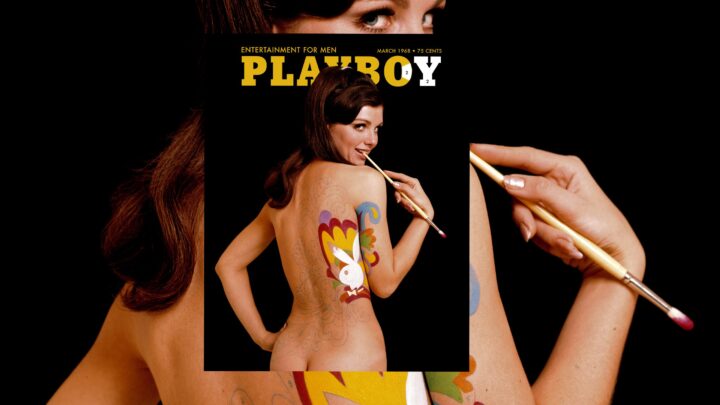
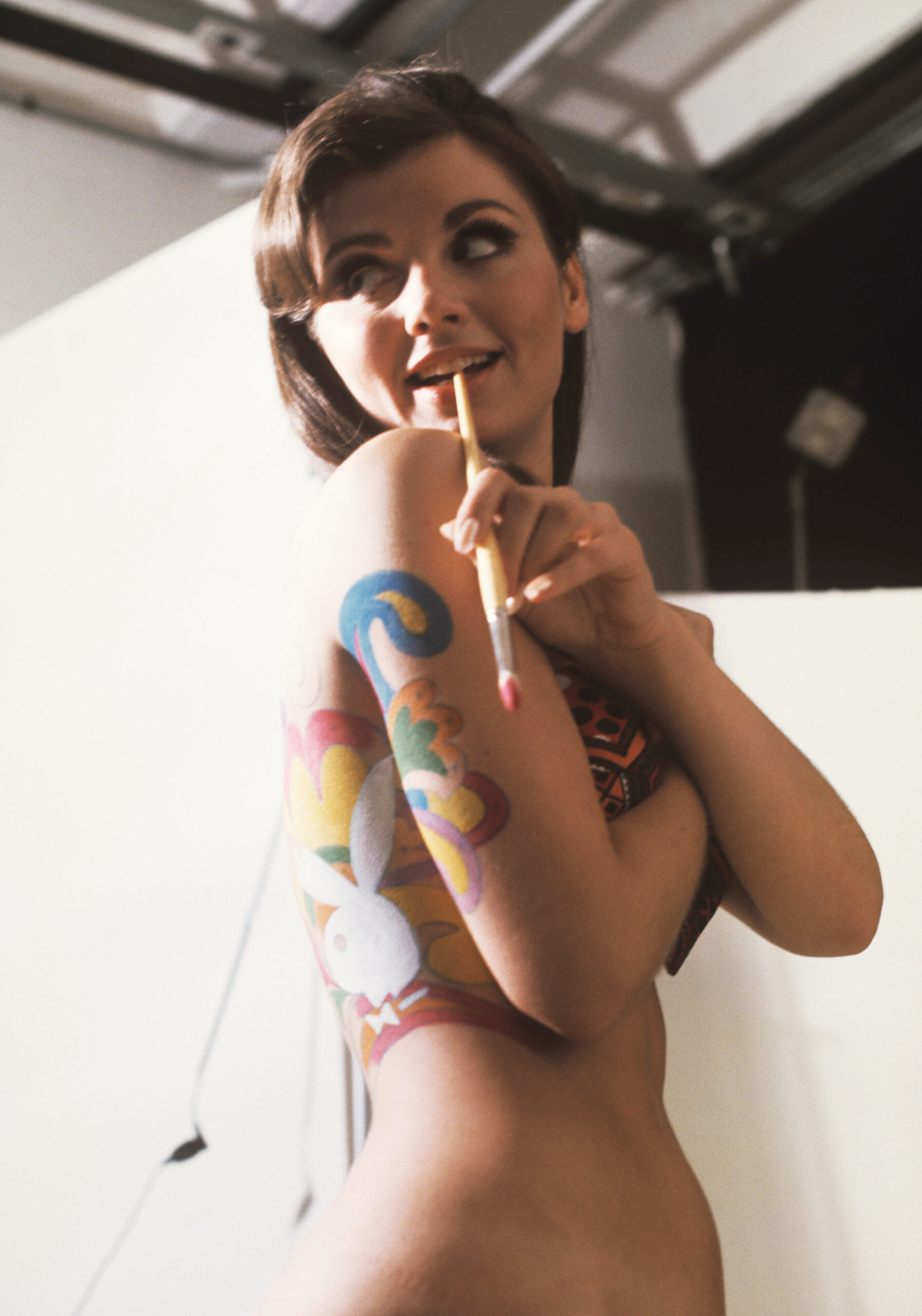
The Rabbit Head Logo
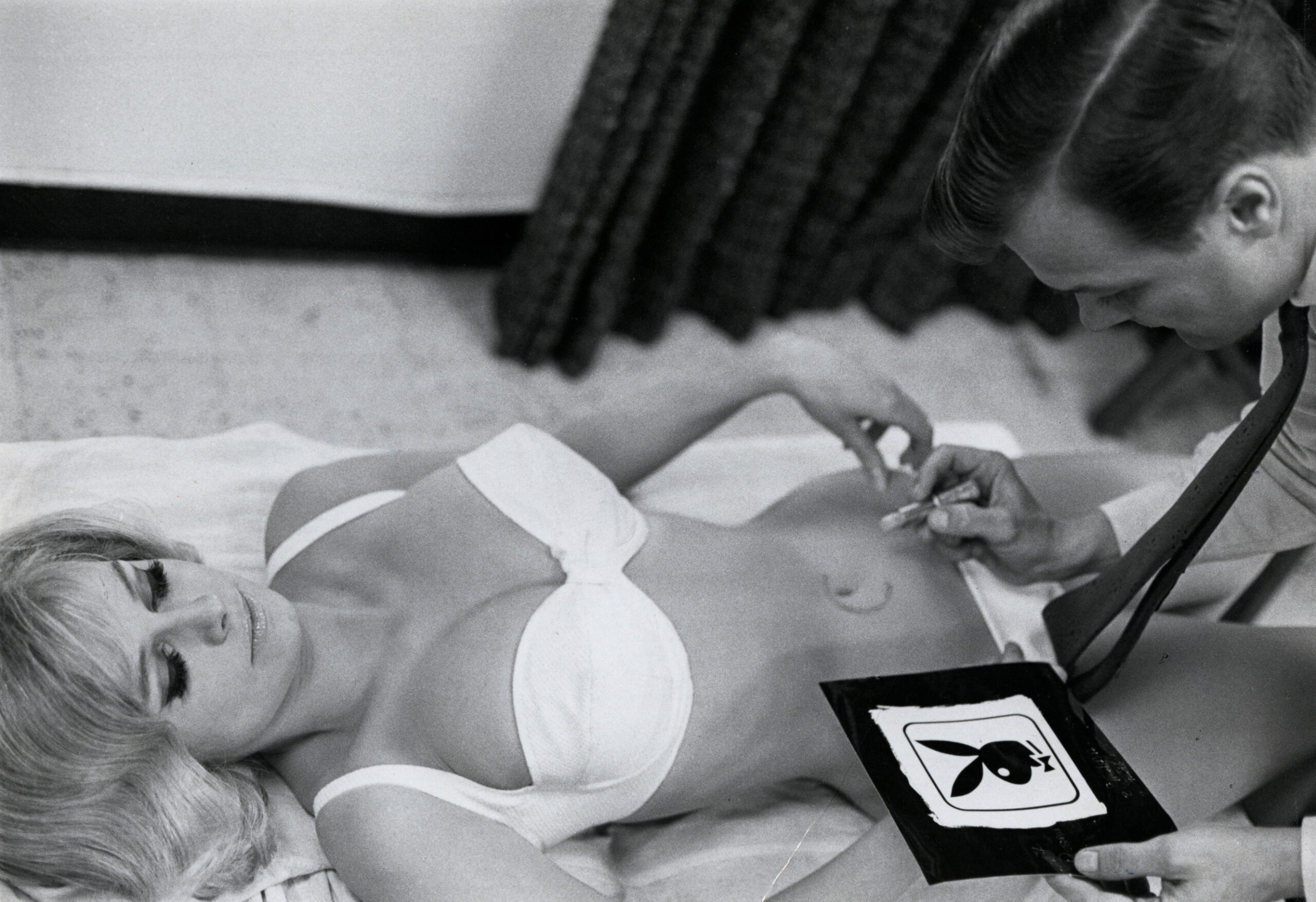
The Rabbit Head—the neat, bow-tied logo designed by founding art director Arthur Paul—first appeared as an endnote in the magazine’s inaugural issue. Hugh Hefner landed on the Rabbit as a mascot because of its “humorous sexual connotation” and adorned him with a tuxedo to “add the idea of sophistication.”
The PLAYBOY Cover
Following its cover debut on the magazine’s third issue, the Rabbit Head went on to grace every cover thereafter, though often concealed. The Rabbit has been known to hide within a lock of hair, a rumpled bed sheet and even, in August 1992, a swirl of spaghetti.
One of PLAYBOY’s most significant and groundbreaking covers emerged in October 1971, featuring a young woman named Darine Stern. Stern was the first African American woman to appear solo on the cover, where she sat partially concealed behind a Rabbit Head–shaped Eames-style chair.
In the Pages of PLAYBOY
The magazine has a long history of serving as a platform for each generation’s leading authors, artists and thinkers. Giving credence to the cheeky saying “I read it for the articles,” Jack Kerouac, James Baldwin, Ian Fleming, Lenny Bruce, Margaret Atwood, Joyce Carol Oates, Sloan Crosley, Dream Hampton and Jelani Cobb have all had bylines in PLAYBOY. Martin Luther King Jr., Ayn Rand, Malcolm X, Princess Grace, Fidel Castro, Jimmy Carter, Donald Trump, Senator Bernie Sanders and Ta-nehisi Coates are just a handful of the notables who have sat for the iconic Playboy Interview since its first installment in 1962. In 1954, Ray Bradbury’s Fahrenheit 451 was serialized in the March, April and May issues. Alex Haley’s Roots: The Mixing of the Blood appeared in October 1976, and Ron Kovic’s Born on the Fourth of July was excerpted in the July 1976 issue. Mark Boal’s May 2004 feature Death and Dishonor was adapted into 2007’s In the Valley of Elah.
Humor in PLAYBOY
A sense of humor has always been key to the success of PLAYBOY. The magazine’s Party Jokes have rightfully earned a cult following for their wild array of one-liners, quips and shaggy-dog stories that reflect the time and the culture. For many years the magazine solicited jokes from readers with the promise of a $100 payment should the jokes editor publish their submission. The contest even became a plot line in a 2000 episode of Friends, with Ross and Chandler arguing over which of them had actually authored a joke published in PLAYBOY.
__PLAYBOY Artwork__
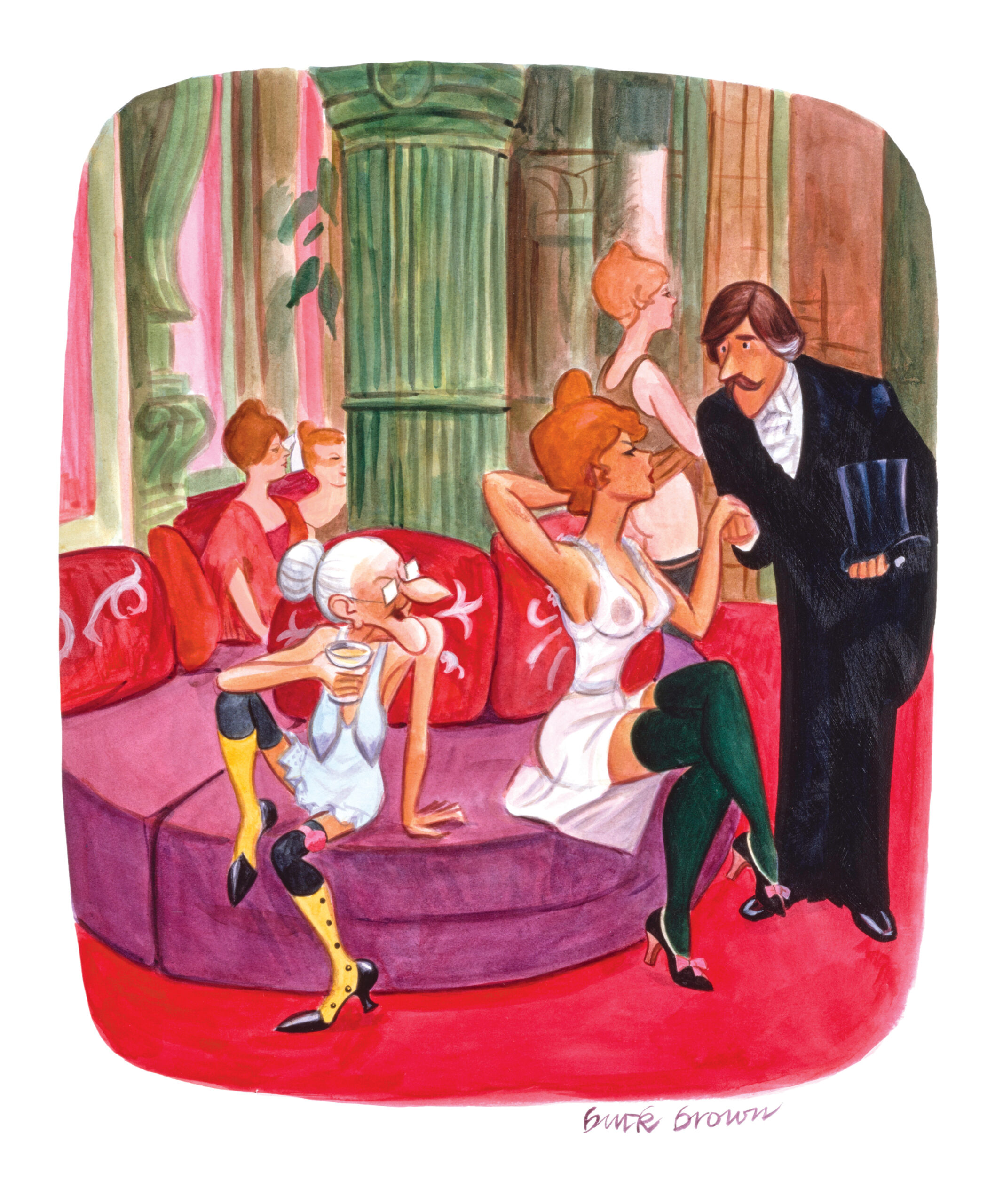
“Not often does one have the pleasure of seeing works by Salvador Dalí, LeRoy Neiman, Tomi Ungerer and Andy Warhol brought sensibly together,” wrote Ray Bradbury in the 1985 book The Art of Playboy, on the company’s long history of publishing work from the world’s most influential artists. The magazine has never judged the merits of “high” versus “low” art, which is why it is as revered for its cartoons (Shel Silverstein, Eldon Dedini, Buck Brown) as it is for its pinups (Alberto Vargas, Olivia De Berardinis, Maly Siri), its illustrated travel essays (LeRoy Neiman) and its iconic covers (Peter Max).
Playboy and Jazz
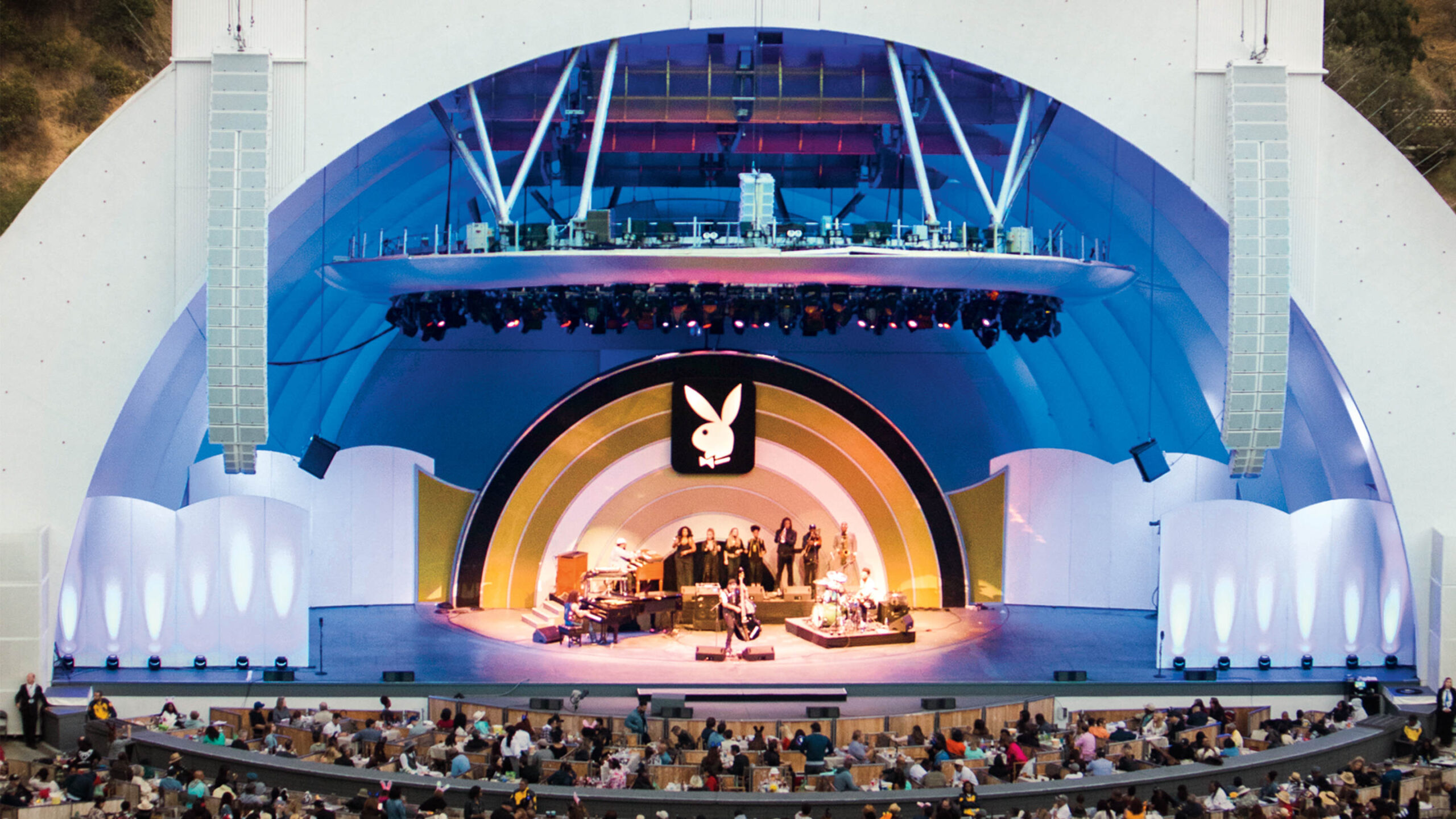
“Picasso, Nietzsche, jazz, sex.” Those were the four ideal conversational topics PLAYBOY editor Hugh Hefner listed in the introduction to the very first issue in 1953. In 1959, Playboy took over the Chicago Stadium for a three-night jazz festival that included performances by Miles Davis and Ella Fitzgerald, among others. Despite the success of this first Playboy Jazz Festival, Hefner shelved the event to focus on other Playboy endeavors—until the magazine’s 25th anniversary.
The Jazz Festival was reborn at the Hollywood Bowl in Los Angeles over a weekend in June 1979, with a lineup that ranged from Benny Goodman to Joni Mitchell. As the festival grew, Playboy created a revolving stage that allowed musicians to perform while another act set up out of sight, ensuring an unbroken and flawless stream of entertainment. Today, the revolving stage is a fixture—and so is the festival—with recent performers including Janelle Monáe, Jon Batiste, Esperanza Spalding and Common.
The Playboy Clubs
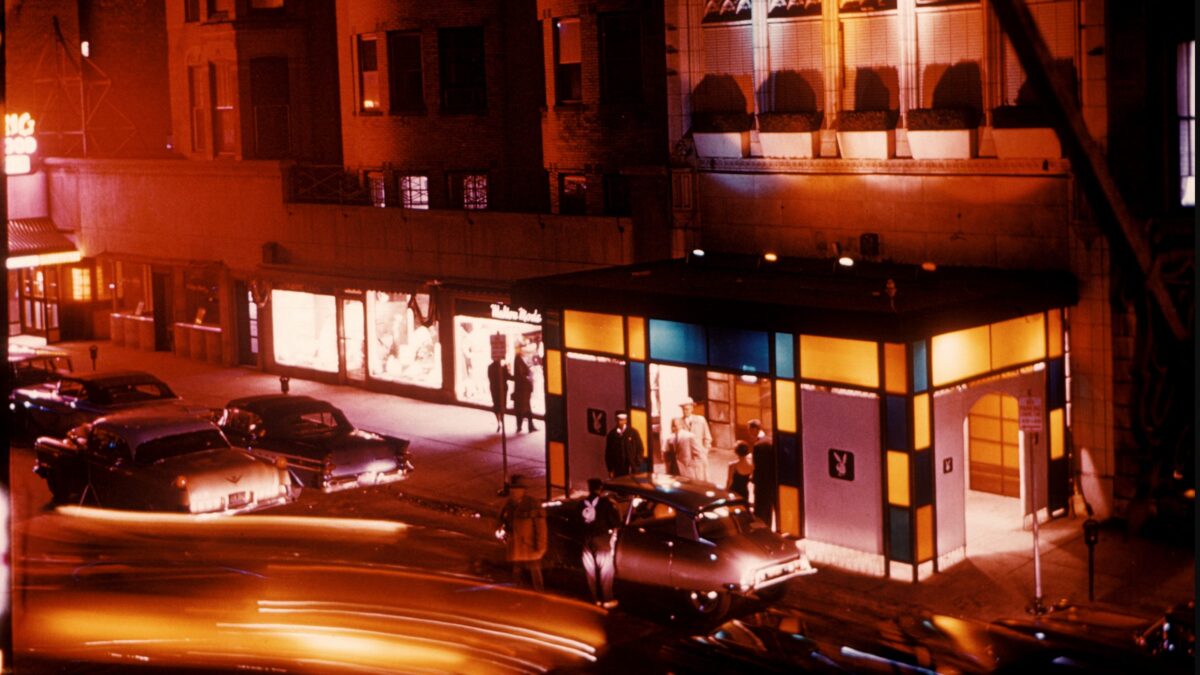
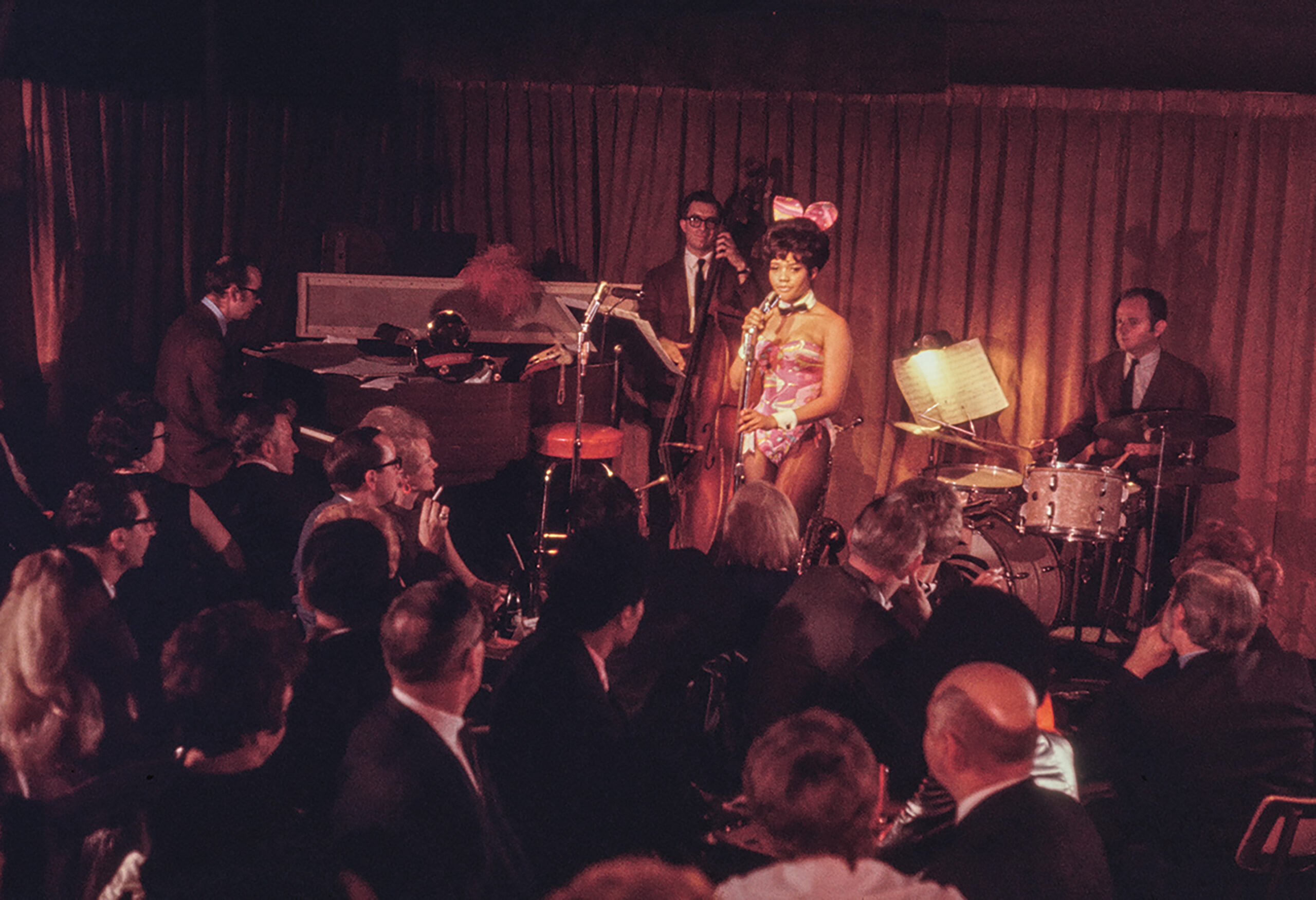
In 1960, with Jim Crow’s shadow still looming large over America, the first Playboy Club opened in Chicago with a clear stance on segregation: Performers and patrons, black or white, would be welcomed through the venue’s main entrance. This was in stark contrast to having to enter through the kitchen, which was the common treatment for artists of color at the time.
Within a year of its opening, the Chicago Playboy Club had more than 50,000 members. At its peak, the chain boasted more than 30 multilevel clubs, resorts and casinos around the world, from San Francisco to Osaka to London to Ocho Rios, making Playboy the largest employer in the entertainment business for 20 years.
A few years later, when PLAYBOY editor Hugh Hefner heard that his franchises in Miami and New Orleans were turning away African American patrons, he bought back the clubs’ licenses. By demanding a fully integrated environment, Hefner made the Playboy Clubs not only bastions of pleasure and sophistication but models of tolerance and inclusivity.
Before she became known as the Queen of Soul, Aretha Franklin, then 18, got her start performing professionally at the Chicago Playboy Club. This first performance in front of a white audience at the height of the civil rights movement signaled the start of decades of breaking down racial barriers.
The Playboy Bunny
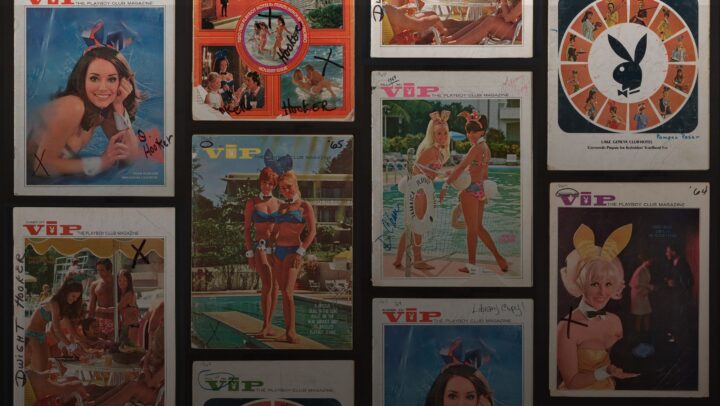
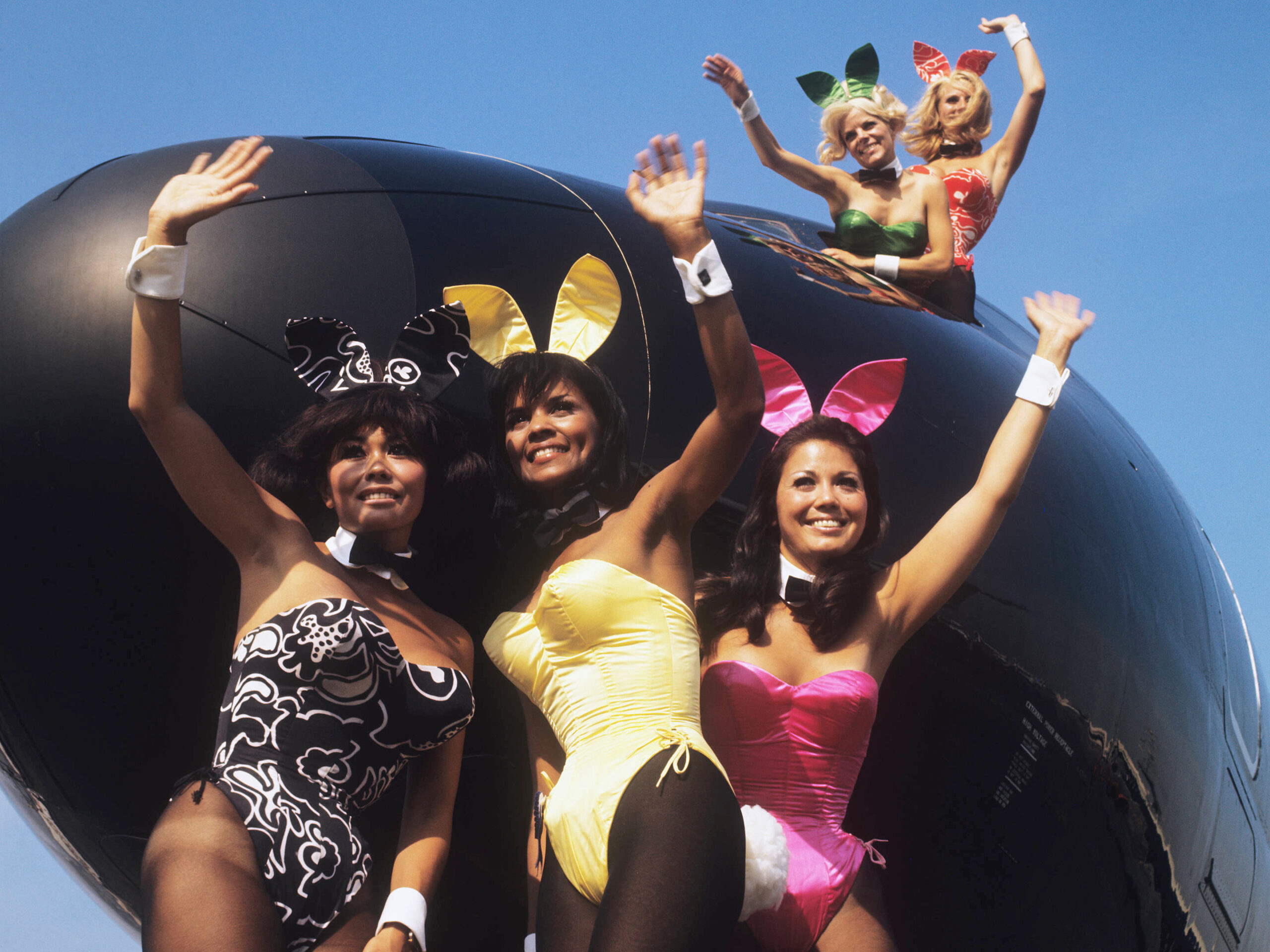
Over the years, the Playboy Bunny has become even more iconic than the Playboy Clubs themselves. The Bunny Suit was the first commercial uniform to be registered by the U.S. Patent and Trademark Office. The Smithsonian, the Metropolitan Museum of Art and the Fashion Institute of Technology all have a Bunny costume in their collection. The high-cut, figure-hugging outfit includes ears, a fluffy cottontail, white cuffs, cuff links and a bow tie. Stockings and high-heeled shoes complete the official look. Each costume is custom-made and tailored to the woman who wears it.
Past Bunnies include popular singers Debbie Harry and Dale Bozzio, actress and model Lauren Hutton, actress Susan Sullivan, celebrated immunologist Polly Matzinger and even, for a short time, Gloria Steinem.
Early in her writing career, Steinem infiltrated the New York Playboy Club to get a Bunny’s-eye view of the experience. Her “exposé,” published in Show magazine, reported on the 11 days she spent there, focusing on the less glamorous aspects of being a Bunny: the tight costumes, sore feet, unwanted propositioning from customers and pay that fell short of what was advertised.
In contrast to Steinem’s account, Kathryn Leigh Scott offers a different perspective in her book The Bunny Years. Scott, along with several other former Club Bunnies, recalls her personal experience with great fondness and appreciation. The Club’s strict standards and regulations provided a safe and protective work environment. For many early Bunnies, the money they earned was significantly more than most young women (or men) could make in a mid-entry-level job elsewhere. Being a Bunny gave these young women the financial freedom and flexibility to continue their education and pursue their desired profession.
Bunnies have gone on to have careers as doctors, lawyers, teachers, advertising executives, stockbrokers, art gallery owners, architects, actresses and even rock stars.
Their connection to Playboy and the Clubs has continued through the decades, and to this day many still gather for Bunny reunions that are held in various cities across the U.S. and abroad.
Playboy Records
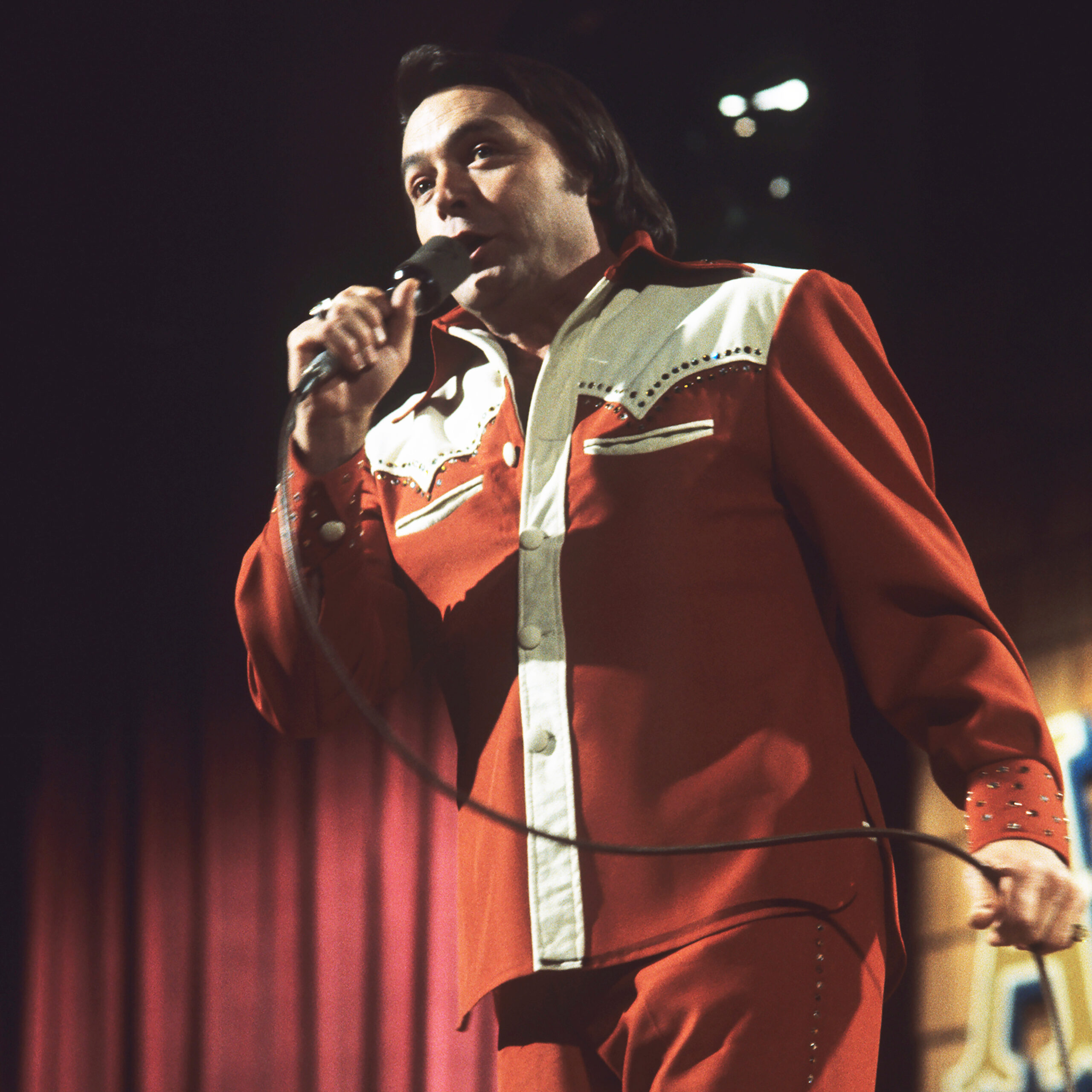
In 1971, Playboy Records launched with an office on Sunset Boulevard and a simple mission, in Hefner’s words, to “help our audience connect with the good life they were reading about in PLAYBOY.” Over the next six years, the label would release notable albums by country upstart Mickey Gilley, PLAYBOY model Barbi Benton, folk legend Huddie “Lead Belly” Ledbetter and a little-known Swedish group that would later rename itself ABBA.
The Playboy Game Room
At the original Chicago Mansion and later at Playboy Mansion West, Hugh Hefner established private Game Rooms. The second Game Room was a cabin-size outbuilding tucked among the trees. Visitors faced a dizzying array of old-school arcade consoles and pinball machines surrounding pool, foosball and card tables. Scoreboards accompanied each game, reflecting a playfully competitive spirit.