Your bag is empty.
Can Crave's smart design help reduce stigma around self-pleasure? We hope so

Like most great conversations about sex, my conversation with Ti Chang was frank, personal, and over wine.
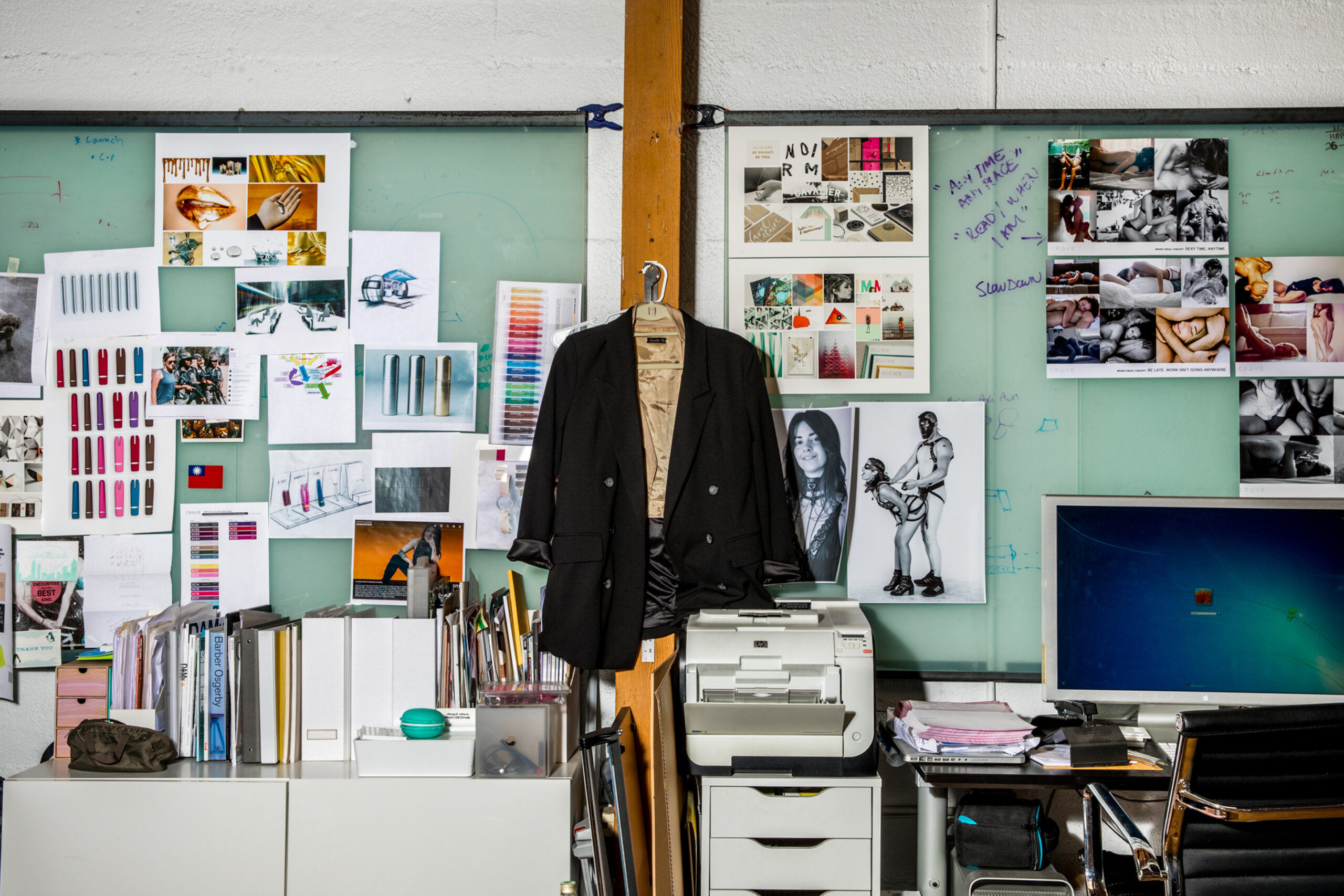
Chang is co-founder of Crave, a startup that makes beautifully designed sex toys and accessories for women. I first met her at her studio office in the SOMA neighborhood of San Francisco, a rapidly gentrifying area that is now a very on-theme patchwork of tech startups and leather bars. As she shows me around her studio, I immediately notice that Chang is not your average tech personality. Instead of spouting vague corporate messaging, Chang is genuinely interested in the details of manufacturing. She excitedly shows me around the various instruments for making prototypes in-house, from multiple 3D printers to a special tray designed to test the battery life of dozens of vibrators at a time. Among the chaos of equipment and moodboards are the products themselves. Minimalist and elegant, I forget for a moment that they’re sex toys.
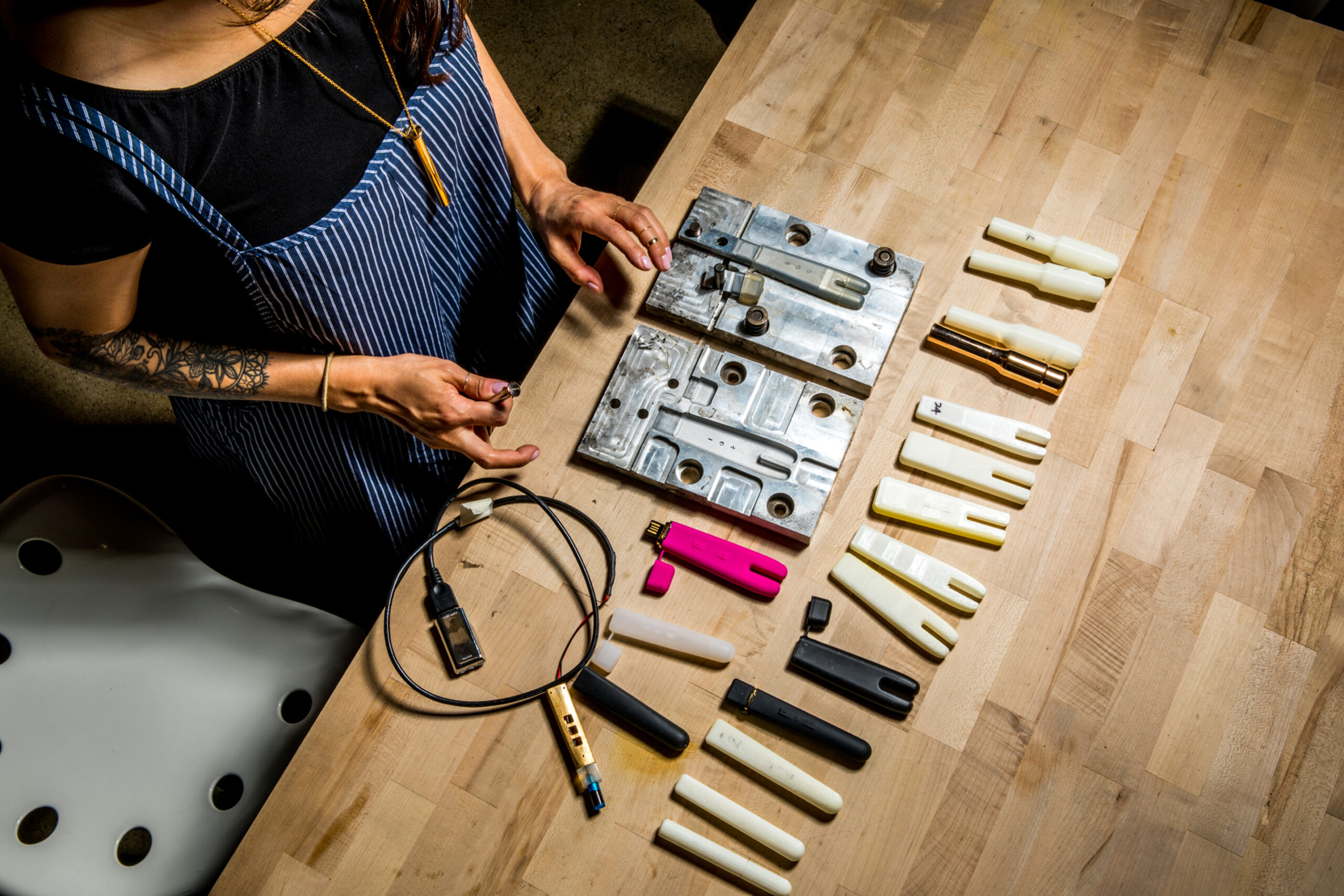
Which is the point of some of them. Crave is probably best known for their pieces that double both as fully functioning sex toys and wearable jewelry. Why jewelry? Over red wine and cava at a bar across the street, Chang fills me in. “To me, it was really fascinating to take something that is so private, bring it out in public in a very elegant way that enabled people to start conversations. I truly believe that if we want to change a taboo on something that is stigmatized, it starts with a conversation.”
Conversation goes on to be the theme of, well, our conversation. The lack of discourse about women’s pleasure is the reason why the industry has been so ripe for disruption. Chang’s entry into the sex toy business has been the result of having an unfortunately rare combination of qualifications: being both an industrial designer and a woman. In the past Chang has worked as a product designer at multiple Fortune 500 companies (at least one of which had to build a women’s bathroom after hiring her) and saw firsthand how many of the products women use every day, from tampons to breast pumps, are traditionally designed exclusively by men.
This discovery, plus Chang’s own experience, led her to realize just how flawed the current industry was. As a consumer, she experienced the rite of passage that is visiting a sex shop in college, at a “seedy bookshop with blackened windows and a guy in the back doing Lord knows what.” And the ambiance wasn’t the only thing that was lacking. “Everything was just all phallic shaped objects, which was really baffling to me because I have a clitoris.”
The numbers don’t lie: 80% of women need clitoral stimulation to get off. So why has the term “sex toy” meant “dildo” for so long? Because, as Chang points out, for the longest time these products were exclusively designed by men. “A majority of the products were all based around the penis because this industry, strangely, had been designed by men creating for women, what they think women want, and what most men think they want – “Oh, she wants my dick.”
Which isn’t too surprising of an attitude, given the actual history of sex toys. “Since the sixties or seventies, the sex toy industry has been traditionally porn companies dabbling into products…definitely was not female-centric. They used women to monetize sex, but it wasn’t using pleasure in a way that is about a woman’s well-being and feeling good.” Over the years male designers have continued to take woefully misguided swings at guessing women’s preferences – like making them pink – and have gotten nowhere close to the kind of products Crave has been making.
I truly believe that if we want to change a taboo on something that is stigmatized, it starts with a conversation.
Crave created the world’s first crowdfunded vibrator, raising the money they needed in less than 48 hours. Obviously, women have spoken. Crave’s devices are a result of doing what men are still sometimes strangely incapable of: just asking women what they want. Crave’s products reflect this research, and are true masterpieces of customer satisfaction. For example, Chang has talked to mothers whose only real quiet time is in the bathtub. As a result, the majority of Crave’s products are waterproof. Women don’t want to have to go down to CVS to buy Double A or Triple D batteries just to use their toys, so Crave’s products are all USB rechargeable. They’re also incredibly quiet, for the pleasure-seeker with roommates. The tray of dozens of vibrators running that I’d seen earlier in her office? Barely audible.
These all seem like fairly obvious innovations to anyone who’s ever used a vibrator, so it’s almost surprising that it’s taken this long for such a product to be on the market. Surprising, that is, until you remember that such products were traditionally designed by someone who’s never used a vibrator, and apparently never thought to talk to anyone who had.
Conversations about women’s sexuality have always been dominated by men. The first person to destigmatize overt sexualization of female bodies in the mainstream? Hugh Hefner. The people in charge of deciding the parameters of reproductive health? These old white men. Even the supposedly progressive world of tech is not immune: While Facebook and Instagram allow products like Hims, a company that sells blandly repackaged Viagra to discerning millennials, on their platforms, Crave’s products are not allowed.
Which leads us to the inevitable question: When it comes to female sexuality, what are men so afraid of?
Chang and I discuss the scene in Wonder Woman where the titular character concludes that men are necessary for reproduction, but not for pleasure. I ask Chang: are men afraid of being replaced by vibrators and if so, should they be?
Chang rolls her eyes at the question. “A vibrator is not going to give you a hug and be like, how was your day, honey? Or like, you look gorgeous today and I love you…For us, it is about helping to enhance that human connection, whether it is with yourself or you learn about your body and then you can communicate that to your partner. It’s about human connection, and a product’s not going to replace that. It’s about having that conversation. It’s not replacing you. It’s literally helping you!”
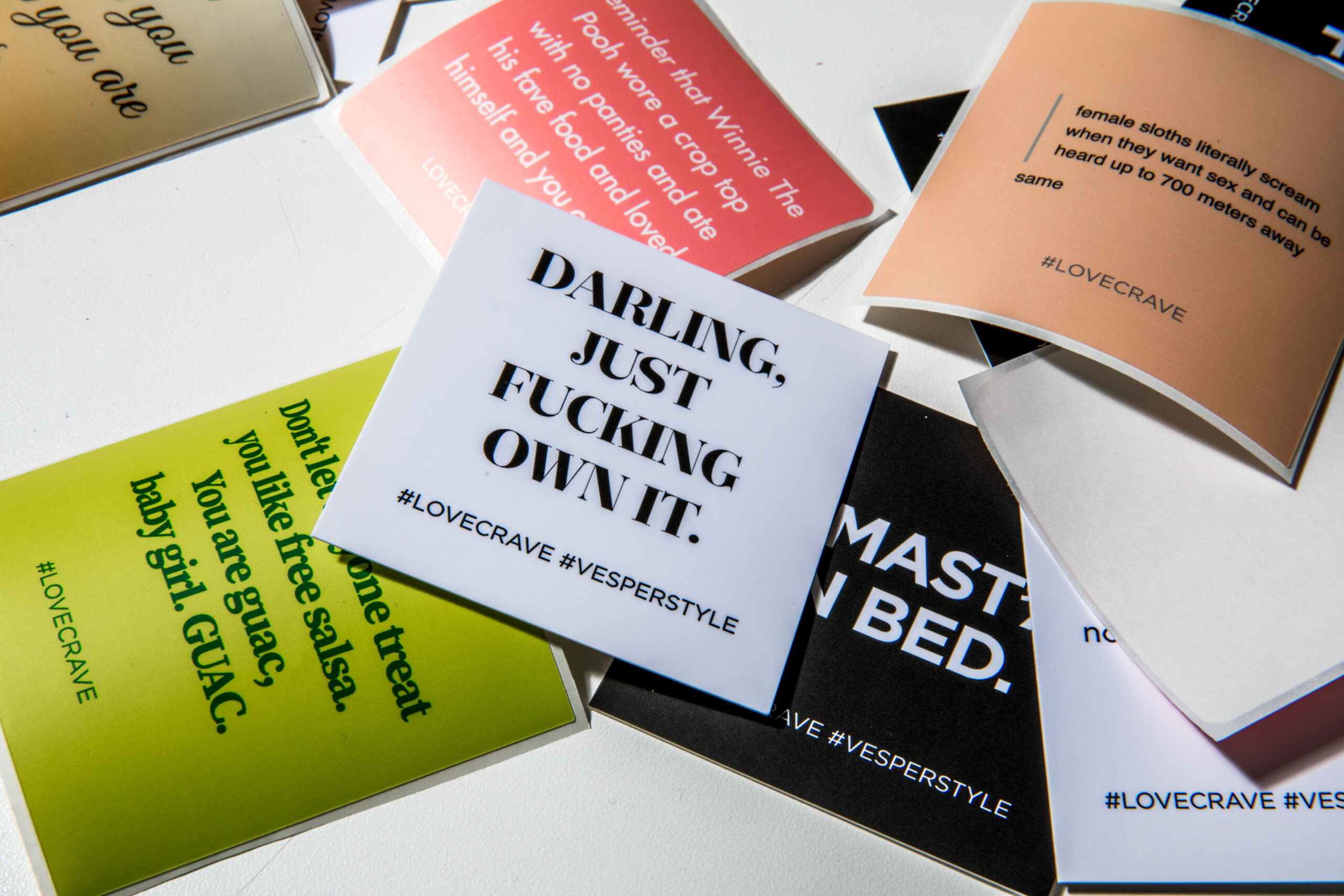
Chang also points out that fifty percent of their customers are male. Whether this is because they buy them as gifts or to use with a female partner, she doesn’t know, but knows both happen. We discuss how romantic of a present that is. What could be better than to buy her something beautiful, something just for her that says, “I care about your pleasure even when I get nothing back?”
I’d take that over Tiffany’s any day.
We sell one or more of these products and earn proceeds from any such sales.